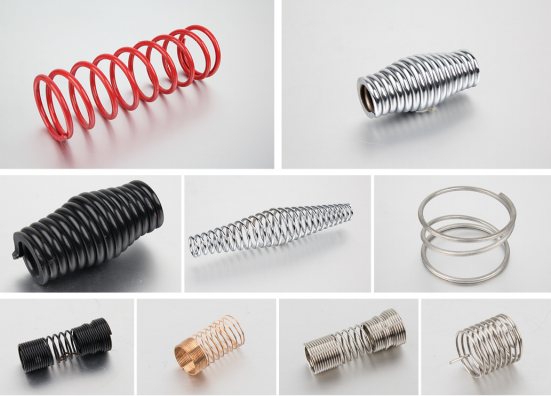
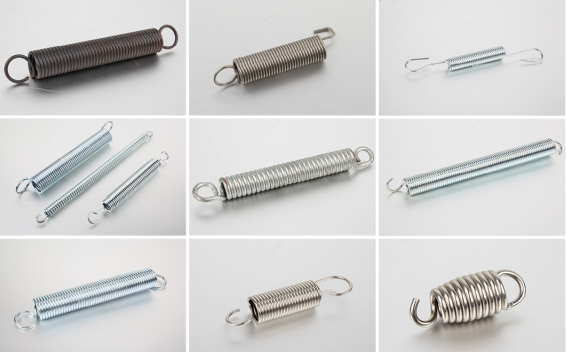
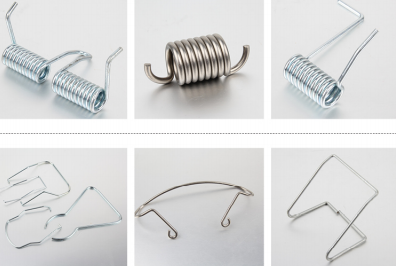

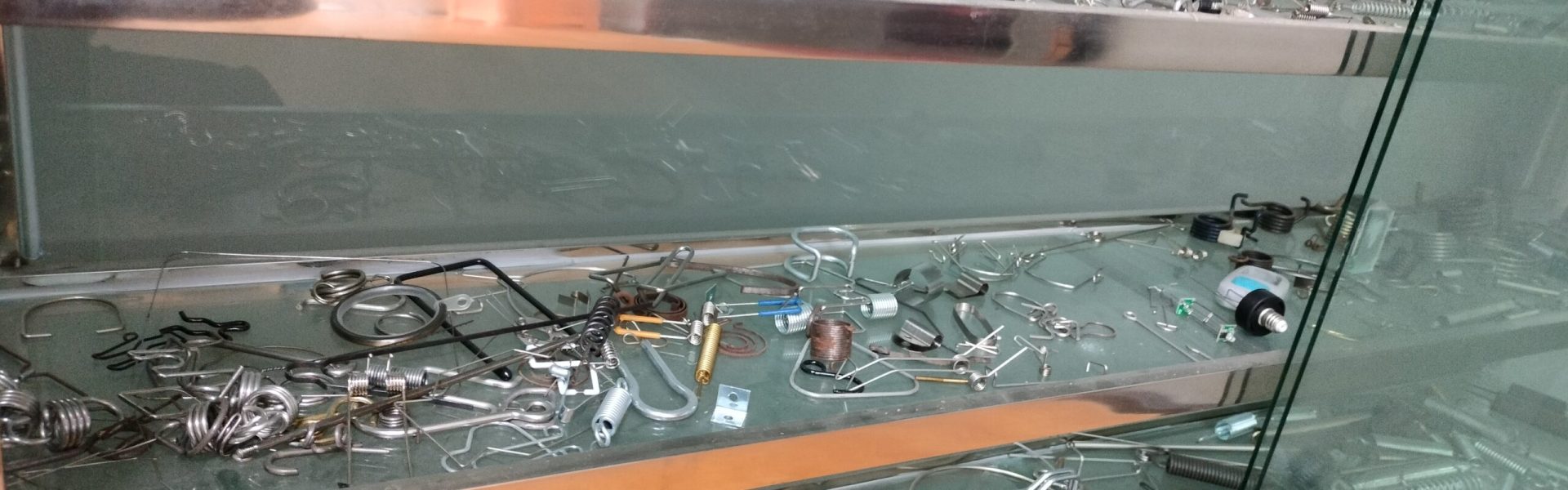
Our springs are crafted to meet exact specifications, ensuring superior performance and reliability.

From stainless steel to specialized alloys, we work with a variety of materials to meet your requirements.

Whether you need compression springs, arcuri de torsiune, arcuri de prelungire, or wire forms, we deliver custom solutions.

Direct factory pricing ensures you get the best value for top-tier quality.
Streamlined processes allow us to deliver your orders on time, every time.

We efficiently handle international logistics to deliver anywhere in the world.
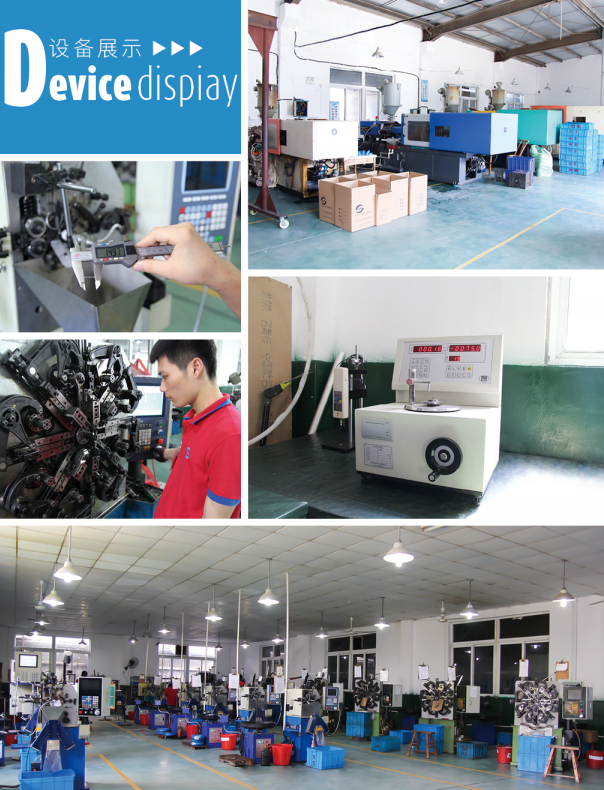
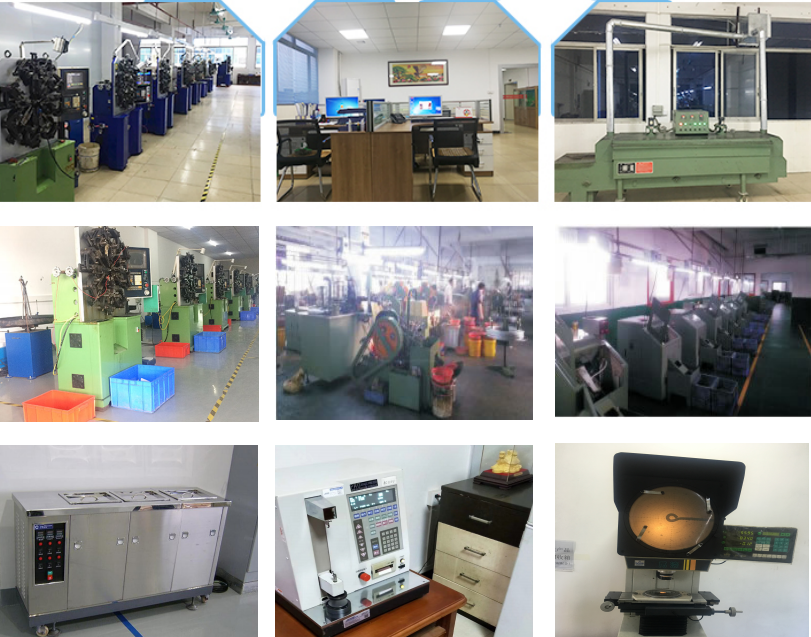
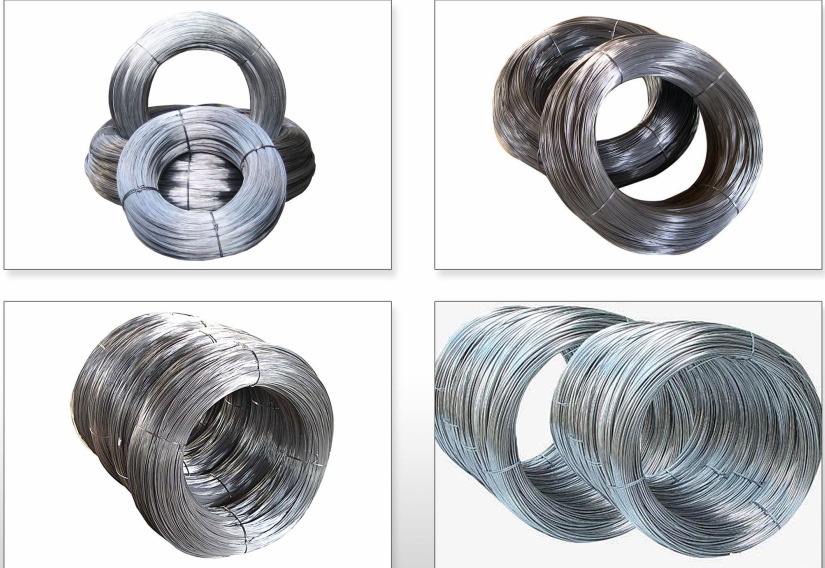
Springs are the unsung heroes in many industries, providing the flexibility, rezistenţă, and precision needed for countless applications. Whether you’re designing high-performance machinery or everyday tools, selecting the right material ensures reliability, durabilitate, și eficiența costurilor. Let’s break down the essentials to help you make an informed decision!
Spring steels are incredibly popular due to their combination of elasticity, rezistență la tracțiune, si rezistenta la oboseala. They’re ideal for applications where springs are under constant stress or load.
If your application involves exposure to moisture, chimicale, or extreme weather, stainless steel is your go-to material. These alloys are resistant to rust and ensure long-lasting performance.
Uneori, aplicația ta necesită ceva în plus. Aici intervin materialele de specialitate precum superaliajele și compozitele de înaltă rezistență.
Case 1: Marine Equipment Manufacturer
A client designing springs for deep-sea applications chose 316L stainless steel for its superior resistance to saltwater corrosion. This decision doubled the service life of their products and reduced maintenance costs by 30%.
Case 2: Heavy Machinery Builder
A manufacturer of industrial presses switched to SWP alloy steel for their tension springs. The result? Springs withstood 20% higher loads and lasted 50% longer under continuous operation.
Case 3: Food Processing Startup
For springs in food slicers, 304 oţel inoxidabil was the perfect choice due to its affordability and compliance with food safety standards. The startup saved 15% on costs while ensuring hygienic performance.
| Serial No. | Steel Grade | C (%) | Si (%) | Mn (%) | Cr (%) | lu (%) | V (%) | B (%) | În (%) | Cu (%) | P (%) | S (%) |
|---|---|---|---|---|---|---|---|---|---|---|---|---|
| 1 | 65 | 0.62–0.70 | 0.17–0.37 | 0.50–0.80 | ≤ 0.25 | — | — | — | 0.25 | 0.25 | ≤ 0.035 | ≤ 0.035 |
| 2 | 70 | 0.62–0.75 | 0.17–0.37 | 0.50–0.80 | ≤ 0.25 | — | — | — | 0.25 | 0.25 | ≤ 0.035 | ≤ 0.035 |
| 3 | 85 | 0.72–0.85 | 0.17–0.37 | 0.50–0.80 | ≤ 0.25 | — | — | — | 0.25 | 0.25 | ≤ 0.035 | ≤ 0.035 |
| 4 | 65Mn | 0.62–0.70 | 0.17–0.37 | 0.90–1.20 | ≤ 0.25 | — | — | — | 0.25 | 0.25 | ≤ 0.035 | ≤ 0.035 |
| 5 | 55Si2Mn | 0.52–0.60 | 1.50–2.00 | 0.60–0.90 | ≤ 0.35 | — | — | — | 0.35 | 0.35 | ≤ 0.035 | ≤ 0.035 |
| 6 | 55Si2MnB | 0.52–0.60 | 1.50–2.00 | 0.60–0.90 | ≤ 0.35 | — | — | 0.0005–0.004 | 0.35 | 0.35 | ≤ 0.035 | ≤ 0.035 |
| 7 | 55Si2Mn VB | 0.52–0.60 | 0.70–1.00 | 1.00–1.30 | ≤ 0.35 | — | 0.08–0.16 | 0.0005–0.0035 | 0.35 | 0.35 | ≤ 0.035 | ≤ 0.035 |
| 8 | 60Si2Mn | 0.56–0.64 | 1.50–2.00 | 0.60–0.90 | ≤ 0.35 | — | — | — | 0.35 | 0.35 | ≤ 0.035 | ≤ 0.035 |
| 9 | 60Si2MnA | 0.56–0.64 | 1.60–2.00 | 0.60–0.90 | ≤ 0.35 | — | — | — | 0.35 | 0.35 | ≤ 0.035 | ≤ 0.030 |
| 10 | 60Si2CrA | 0.56–0.64 | 1.40–1.80 | 0.40–0.70 | 0.70–1.00 | — | — | — | 0.25 | 0.25 | ≤ 0.035 | ≤ 0.030 |
| 11 | 55CrVA | 0.56–0.64 | 1.40–1.80 | 0.40–0.70 | 0.90–1.20 | — | 0.10–0.20 | — | 0.25 | 0.25 | ≤ 0.035 | ≤ 0.035 |
| 12 | 60CrMnA | 0.56–0.64 | 0.17–0.37 | 0.70–1.00 | 0.70–1.00 | — | — | — | 0.25 | 0.35 | ≤ 0.035 | ≤ 0.035 |
| 13 | 50CrVA | 0.46–0.54 | 0.17–0.37 | 0.50–0.80 | 0.80–1.10 | — | 0.10–0.20 | — | 0.25 | 0.25 | ≤ 0.035 | ≤ 0.035 |
| 14 | 30CrV2A | 0.26–0.34 | 0.17–0.37 | ≤ 0.40 | 2.00–2.50 | — | 0.50–0.80 | 4.4–5.0 | 0.35 | 0.35 | ≤ 0.035 | ≤ 0.035 |
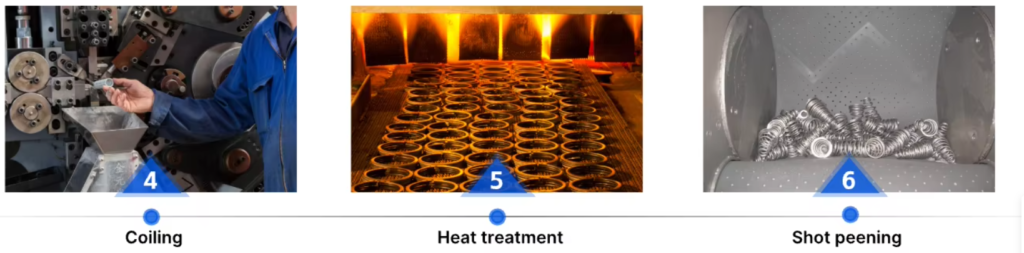
Spring heat treatment is essential for optimizing mechanical properties, ensuring durability, and enhancing fatigue resistance. Various strengthening techniques, such as quenching, temperare, and surface treatments, sunt aplicate pe baza tipului de material și a cerințelor de aplicare.
Procesul de tratament termic pentru arcuri poate fi clasificat în trei tipuri:
Procesul de călire asigură transformarea martensitică uniformă, urmată de călire pentru a elibera stresul și pentru a spori duritatea. Tehnici precum călirea izotermă îmbunătățesc și mai mult plasticitatea și duritatea, asigurând că arcul menține precizia dimensională și stabilitatea mecanică.
| Tip de proces | Descriere | Materiale folosite | Key Effects |
|---|---|---|---|
| stingere & temperare | Heating above Ac3, holding, then rapid cooling and tempering. | High-carbon steel, alloy steel | Increases strength, duritate, and elasticity. |
| Întărirea muncii la rece | Uses mechanical deformation instead of heat treatment. | Stainless steel wire, cold-rolled steel strips | Enhances work-hardening properties. |
| Tratament pentru îmbătrânire | Additional heat stabilization after initial processing. | Certain alloy materials | Improves stability and strength. |
| Isothermal Quenching | Maintains temperature above Ms, cools in molten salt. | High-carbon steel, alloy springs | Enhances toughness and plasticity. |
| Controlled Tempering | Gradual cooling to prevent deformation. | Precision springs, mechanical components | Reduces internal stress and ensures accuracy. |
This structured approach ensures that each heat treatment method is aligned with specific material properties and application requirements for optimized performance.
The heat treatment of springs:
| Metodă | Process Description | Key Benefits | Aplicații comune |
|---|---|---|---|
| Conventional Heat Treatment | Heating and cooling steel to adjust mechanical properties | Increases strength, elasticitate, si durabilitate | Medium to high-carbon steel springs |
| Surface Hardening Treatment | Carburizing, nitriding, or induction hardening of the outer layer | Enhances wear resistance while keeping core toughness | Automotive and industrial springs |
| Aging & temperare | Heat treatment to relieve internal stresses and refine microstructure | Improves stability and mechanical consistency | Precision and high-load springs |
| Steel Grade | Austenitizing Temperature (°C) | Isothermal Quenching Temperature (°C) | Cooling Time (min) | Duritate (HRC) |
|---|---|---|---|---|
| 65 | 820 ± 10 | 320 – 340 | 15 – 20 | 46 – 48 |
| 60Si2MnA | 870 ± 10 | 260 | 20 – 25 | 50 – 52 |
| 50CrVA | 850 ± 10 | 300 | 20 – 25 | 55 – 57 |
| Tip de oțel | Heat Treatment Process | Duritate (HRC) | Rezistență la tracțiune (MPa) | Puterea de curgere (MPa) | Elongation (%) | Impact Toughness (J/cm²) |
|---|---|---|---|---|---|---|
| 50CrVA | Conventional Quenching + temperare | 48 | 1750 | 1500 | 10 | 44 |
| 60Si2MnA | Isothermal Quenching + temperare | 47 | 1900 | 1750 | 11 | 46 |
| 65Si2MnWA | Isothermal Quenching + temperare | 50 | 2100 | 1980 | 9 | 43 |
Acest format de tabel oferă o comparație clară și organizată a diferitelor tehnici de tratament termic pentru arcuri.

Xiamen Linspring a reușit să producă comanda mea personalizată conform specificațiilor și a fost de ajutor și a comunicat pe parcurs. Calitatea produsului livrat a fost bună.

Aceasta a fost a doua mea comandă cu Linspring. Vânzătorul este minunat pentru a comunica și primăvara au fost perfecte,exact ca la prima comandă. Vă mulțumesc pentru promptare,politicos.

Foarte mulțumit de arcurile noastre personalizate. La timp și transportul a fost rapid

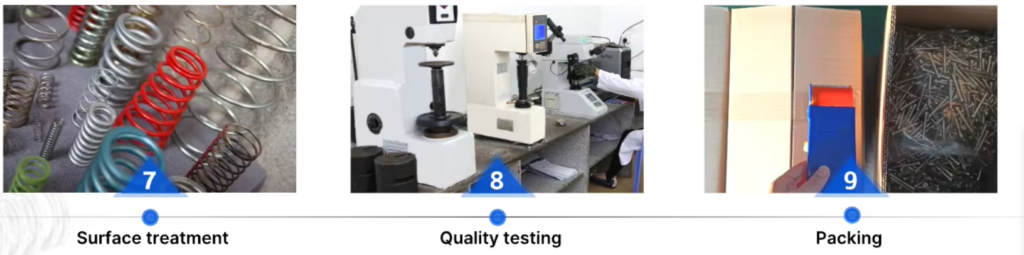
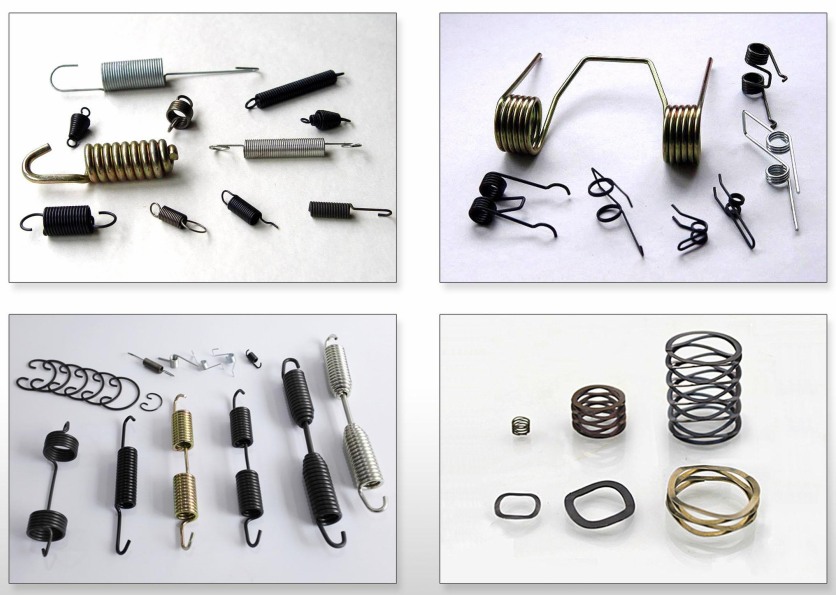
Arcurile sunt componente esențiale în nenumărate industrii, from automotive and aerospace to medical devices and household appliances. Custom springs, în special, offer tailored solutions to meet specific requirements for performance, dimensiune, material, and application. Designing a custom spring requires careful consideration of numerous factors, from functionality to environmental conditions.
Arcuri de compresie
Arcuri de tensiune
Arcuri de torsiune
Izvoare Plate
Specialty Springs
Choosing the right material is critical for the performance and durability of a custom spring. Some common materials include:
Oțel carbon
Oţel inoxidabil
Oțel aliat
Phosphor Bronze and Beryllium Copper
Titan
Inconel and Other Superalloys
When designing a custom spring, there are several factors to consider:
Tip arc: Choose the appropriate spring type (comprimare, tensiune, etc.) based on the application.
Cerințe de încărcare:
Dimensiunile primăverii:
Selectia materialelor: Choose a material that meets the application’s environmental, rezistenţă, and durability requirements.
Stress and Fatigue:
Mediul de operare:
Tip final:
Manufacturing Constraints:
Definiți-vă cerințele:
Choose a Material:
Work with LINSPRING:
Prototype Development:
Final Production:
Provide Clear Specifications:
Request Samples:
Discuss Compliance:
Leverage Expertise:
Plan for Scalability:
Custom springs are a game-changer for applications that demand precision, performanţă, si fiabilitate. By carefully considering factors like material, proiecta, și mediul de operare, you can create a spring that perfectly suits your needs. Partnering with a trusted manufacturer LIKE LINSPRING ensures a seamless process from design to production, helping you achieve optimal results.
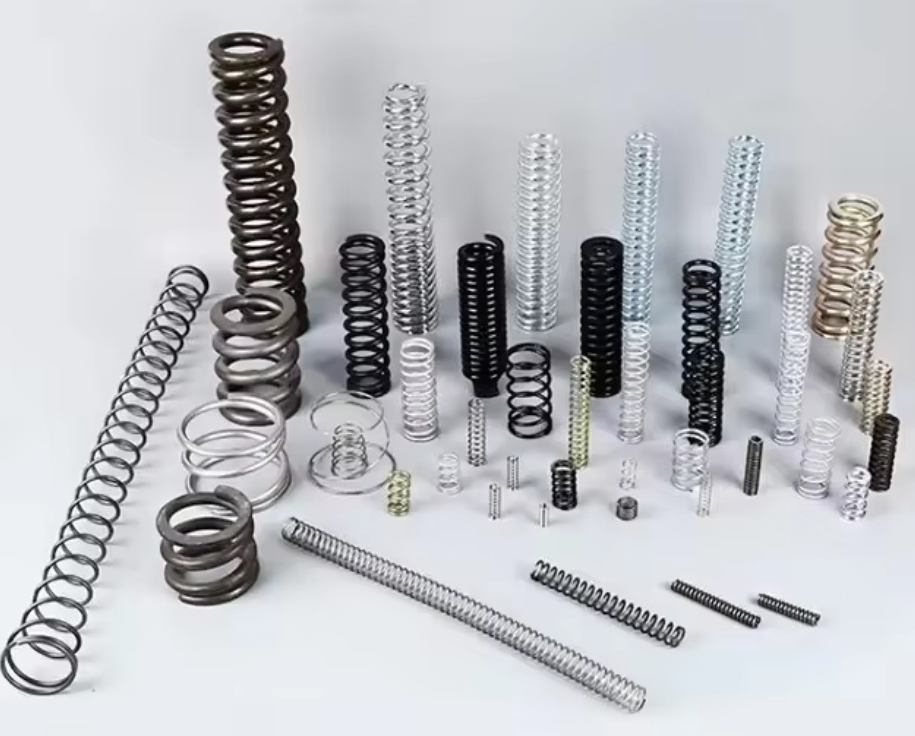
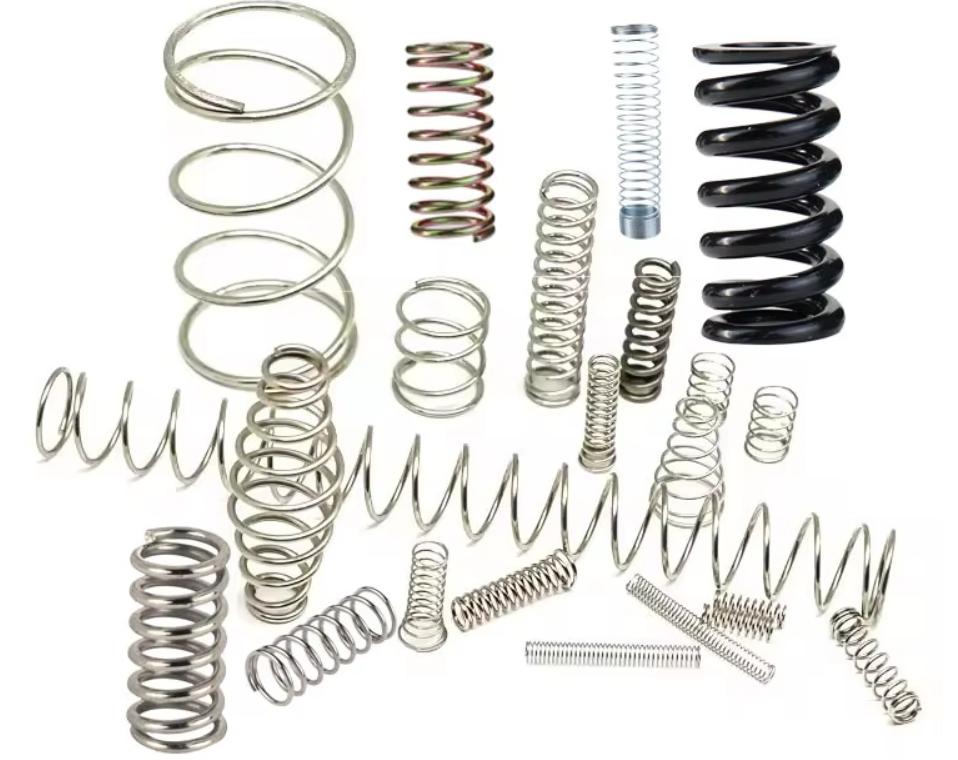
Încă nu sunteți sigur ce material se potrivește nevoilor dvs? Să discutăm despre aplicația dvs. specifică. Fie că este vorba de automobile, aerospațială, sau inginerie de precizie, vă putem ajuta să alegeți materialul perfect adaptat cerințelor dumneavoastră.
Doriți o recomandare personalizată sau o scufundare mai profundă în unul dintre materiale? Să facem proiectul tău un succes!
La Xiamen Lin Spring Manufacturing, suntem specializați în producerea de arcuri personalizate de înaltă calitate pentru diverse industrii.
E-mail: sales@linspring.net
Telefon:+86-13599531763
Adresa: Unitate 502, podea 5, Cladirea B, # 1 atelier, Centrul de asistență pentru piese de schimb pentru industria auto (faza iv), Orașul Guankou, Districtul Jimei, Xiamen,Fujian,China
Vă vom contacta în termen 1 zi lucrătoare.