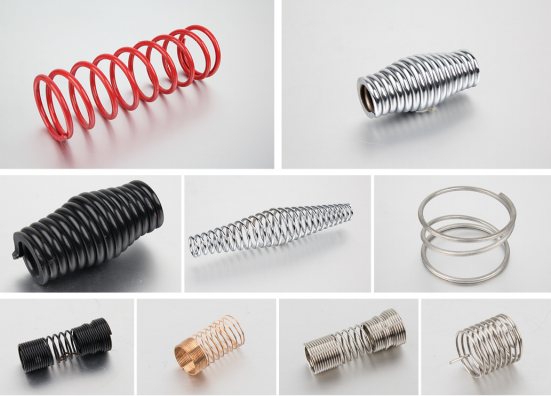
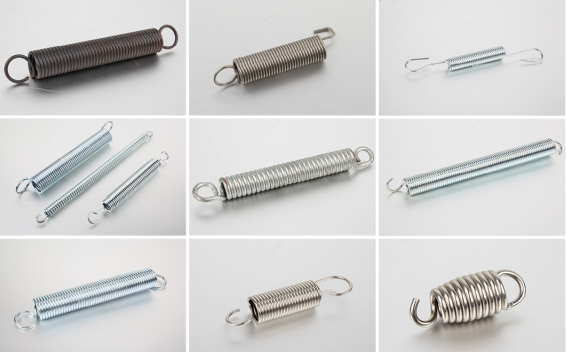
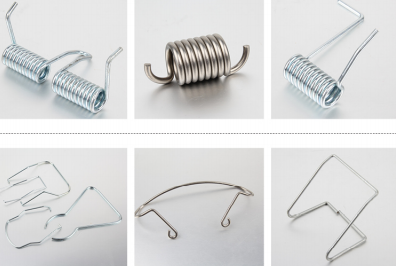

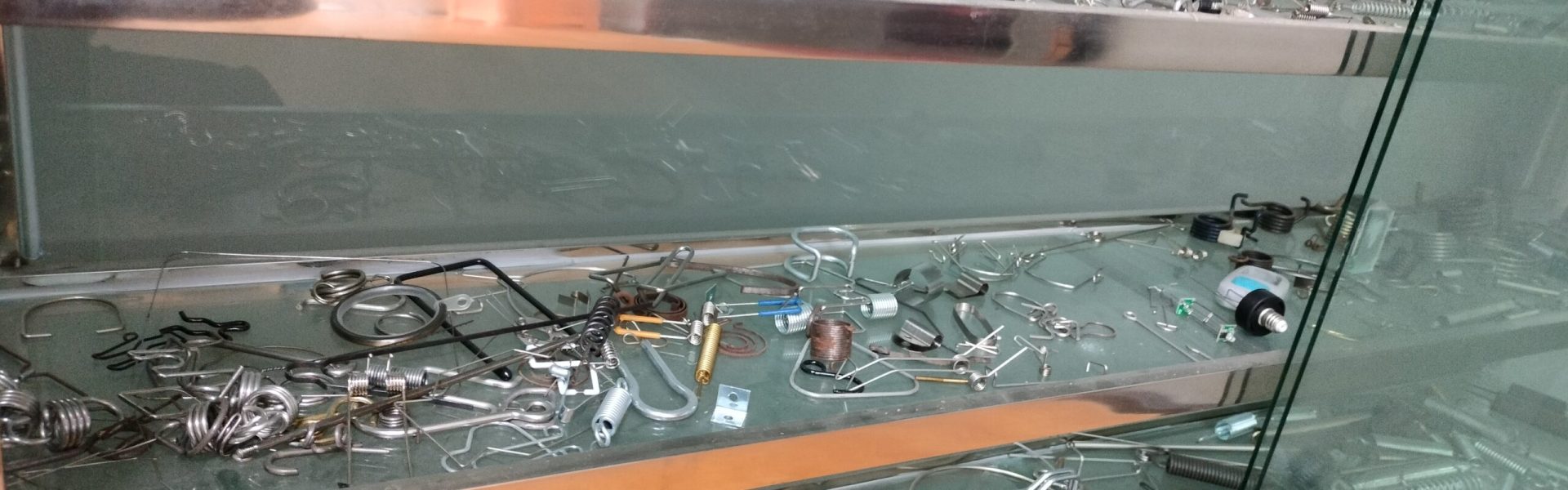
Ny loharanonay dia novolavolaina mifanaraka amin'ny fepetra voafaritra tsara, miantoka ny fahombiazany sy ny fahamendrehana ambony.
Avy amin'ny vy tsy misy pentina mankany amin'ny firaka manokana, miasa miaraka amin'ny fitaovana isan-karazany izahay mba hamenoana ny zavatra takinao.

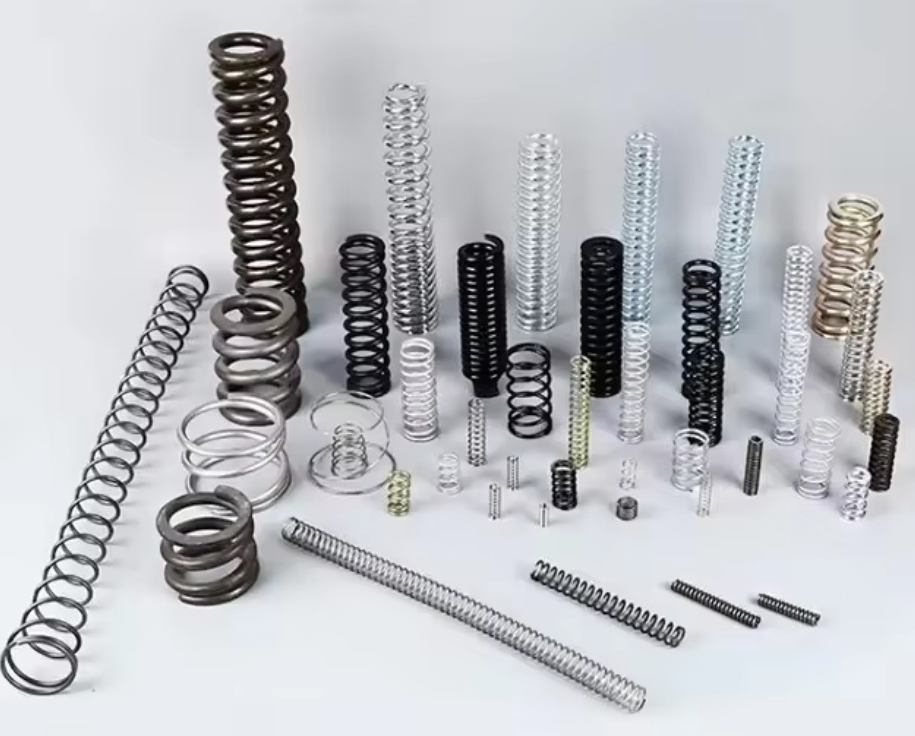
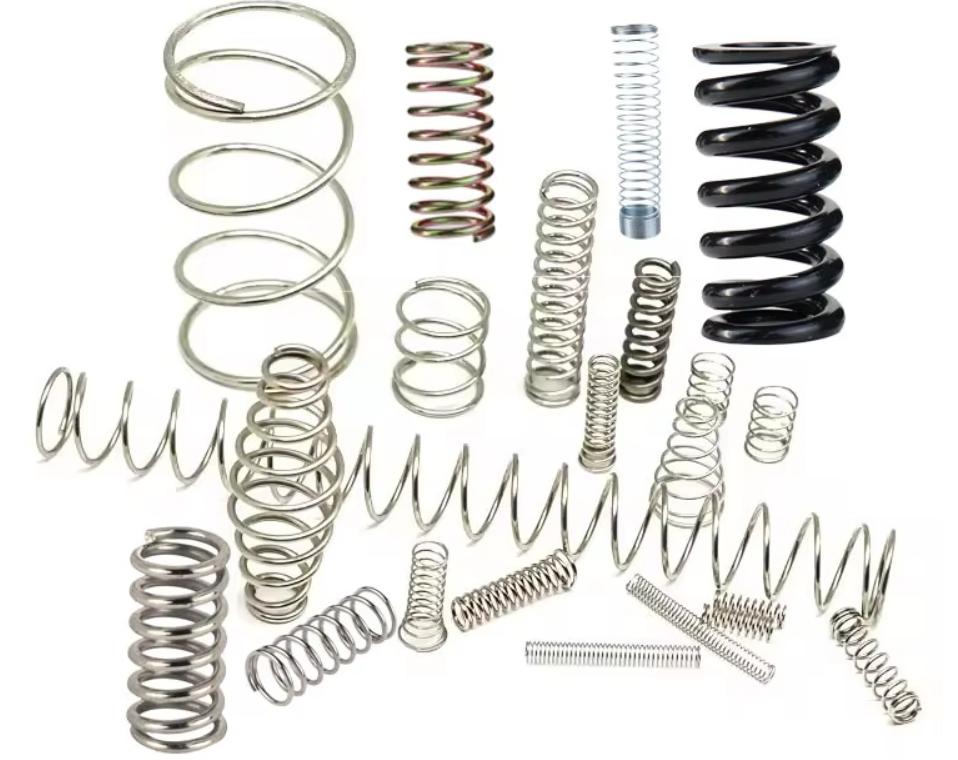
Na mila loharano compression ianao, Torsion Springs, fanitarana loharano, na endrika tariby, manolotra vahaolana manokana izahay.

Ny vidin'ny orinasa mivantana dia manome antoka fa hahazo ny sanda tsara indrindra ho an'ny kalitao ambony indrindra ianao.
Ny fizotry ny fampandehanana dia mamela anay hanatitra ny baikonao ara-potoana, isak'izao mihetsika izao.
Mikarakara tsara ny logistics iraisam-pirenena izahay mba hanaterana na aiza na aiza manerana izao tontolo izao.
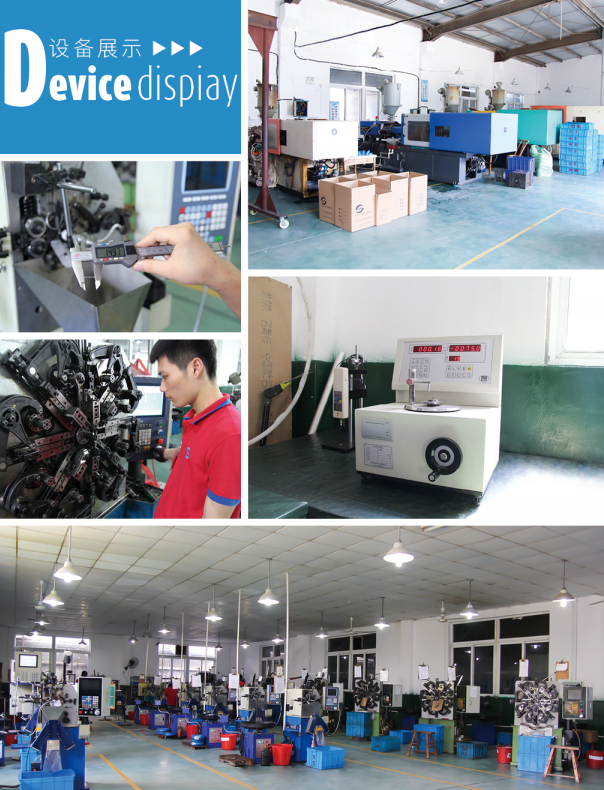
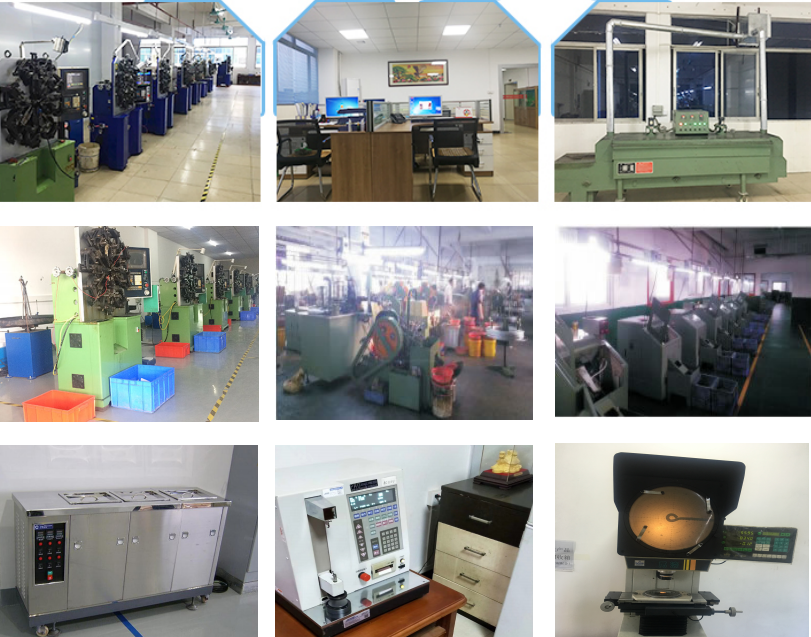
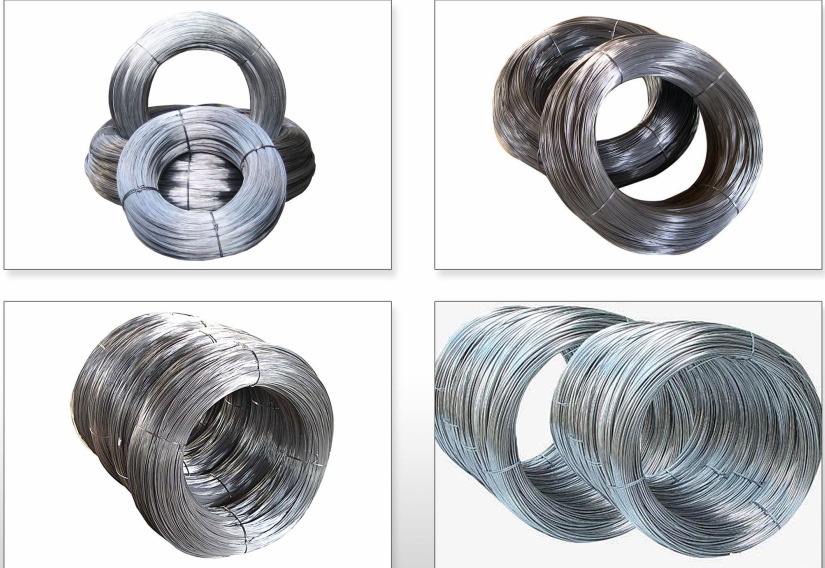
Lohataona no mahery fo tsy fantatra anarana amin'ny indostria maro, manome ny flexibility, HERY, ary ny fahitsiana ilaina amin'ny fampiharana tsy tambo isaina. Na manamboatra milina mahomby ianao na fitaovana isan'andro, ny fisafidianana ny fitaovana mety dia miantoka ny fahamendrehana, faharetana, ary ny fahombiazan'ny vidiny. Andeha hovakiantsika ireo zava-dehibe mba hanampiana anao handray fanapahan-kevitra tsara!
Ny vy lohataona dia malaza be noho ny fitambaran'ny elasticité, faharetana amin'ny sintona, ary fanoherana ny havizanana. Izy ireo dia mety amin'ny fampiharana izay misy loharano ao anatin'ny adin-tsaina na enta-mavesatra tsy tapaka.
Raha ny fampiharana anao dia misy fiantraikany amin'ny hamandoana, AKORA SIMIKA, na toetr'andro mahery vaika, stainless steel no fitaovana ilainao. Ireo alloys dia mahatohitra harafesina ary miantoka ny fahombiazany maharitra.
indraindray, mitaky zavatra fanampiny ny fampiharanao. Eo no idirana fitaovana manokana toy ny superalloys sy ny composite matanjaka.
Raharaha 1: Mpanamboatra fitaovana an-dranomasina
Mpanjifa manamboatra loharano ho an'ny fampiharana an-dranomasina lalina no nisafidy 316L Stainless vy noho ny fanoherana ambony indrindra amin'ny harafesina amin'ny ranon-tsira. Io fanapahan-kevitra io dia nampitombo avo roa heny ny androm-panompoana ny vokatra ary nampihena ny vidin'ny fikojakojana 30%.
Raharaha 2: Mpanamboatra milina mavesatra
Mpanamboatra milina fanontam-pirinty indostrialy nivadika ho SWP alloy vy noho ny fihenjanana. Ny vokany? Nanohitra i Springs 20% entana ambony kokoa ary naharitra 50% ela kokoa eo ambany fandidiana mitohy.
Raharaha 3: Startup fanodinana sakafo
Ho an'ny loharano ao amin'ny slicers sakafo, 304 inôksa no safidy tonga lafatra noho ny vidiny sy ny fanarahana ny fenitra fiarovana ara-tsakafo. Voavonjy ny fanombohana 15% amin'ny fandaniana ary miantoka ny fahadiovana.
| Série No. | Grade vy | C (%) | SY (%) | Mn (%) | Cr (%) | Mo (%) | V (%) | amin ' (%) | In (%) | Cu (%) | t (%) | S (%) |
|---|---|---|---|---|---|---|---|---|---|---|---|---|
| 1 | 65 | 0.62–0.70 | 0.17–0.37 | 0.50–0.80 | ≤ 0.25 | - | - | - | 0.25 | 0.25 | ≤ 0.035 | ≤ 0.035 |
| 2 | 70 | 0.62–0.75 | 0.17–0.37 | 0.50–0.80 | ≤ 0.25 | - | - | - | 0.25 | 0.25 | ≤ 0.035 | ≤ 0.035 |
| 3 | 85 | 0.72–0.85 | 0.17–0.37 | 0.50–0.80 | ≤ 0.25 | - | - | - | 0.25 | 0.25 | ≤ 0.035 | ≤ 0.035 |
| 4 | 65Mn | 0.62–0.70 | 0.17–0.37 | 0.90–1.20 | ≤ 0.25 | - | - | - | 0.25 | 0.25 | ≤ 0.035 | ≤ 0.035 |
| 5 | 55Si2Mn | 0.52–0.60 | 1.50–2.00 | 0.60–0.90 | ≤ 0.35 | - | - | - | 0.35 | 0.35 | ≤ 0.035 | ≤ 0.035 |
| 6 | 55Si2MnB | 0.52–0.60 | 1.50–2.00 | 0.60–0.90 | ≤ 0.35 | - | - | 0.0005–0.004 | 0.35 | 0.35 | ≤ 0.035 | ≤ 0.035 |
| 7 | 55Si2Mn ETC | 0.52–0.60 | 0.70–1.00 | 1.00–1.30 | ≤ 0.35 | - | 0.08–0.16 | 0.0005–0.0035 | 0.35 | 0.35 | ≤ 0.035 | ≤ 0.035 |
| 8 | 60Si2Mn | 0.56–0.64 | 1.50–2.00 | 0.60–0.90 | ≤ 0.35 | - | - | - | 0.35 | 0.35 | ≤ 0.035 | ≤ 0.035 |
| 9 | 60Si2MnA | 0.56–0.64 | 1.60–2.00 | 0.60–0.90 | ≤ 0.35 | - | - | - | 0.35 | 0.35 | ≤ 0.035 | ≤ 0.030 |
| 10 | 60Si2CrA | 0.56–0.64 | 1.40–1.80 | 0.40–0.70 | 0.70–1.00 | - | - | - | 0.25 | 0.25 | ≤ 0.035 | ≤ 0.030 |
| 11 | 55kankana | 0.56–0.64 | 1.40–1.80 | 0.40–0.70 | 0.90–1.20 | - | 0.10–0.20 | - | 0.25 | 0.25 | ≤ 0.035 | ≤ 0.035 |
| 12 | 60CrMnA | 0.56–0.64 | 0.17–0.37 | 0.70–1.00 | 0.70–1.00 | - | - | - | 0.25 | 0.35 | ≤ 0.035 | ≤ 0.035 |
| 13 | 50kankana | 0.46–0.54 | 0.17–0.37 | 0.50–0.80 | 0.80–1.10 | - | 0.10–0.20 | - | 0.25 | 0.25 | ≤ 0.035 | ≤ 0.035 |
| 14 | 30CrV2A | 0.26–0.34 | 0.17–0.37 | ≤ 0.40 | 2.00–2.50 | - | 0.50–0.80 | 4.4–5.0 | 0.35 | 0.35 | ≤ 0.035 | ≤ 0.035 |
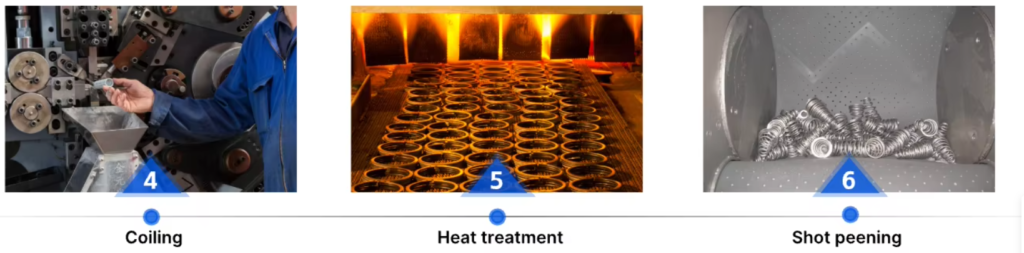
Ny fitsaboana hafanana amin'ny lohataona dia ilaina amin'ny fanatsarana ny toetra mekanika, miantoka ny faharetana, and enhancing fatigue resistance. Various strengthening techniques, toy ny famonoana, tempering, ary fitsaboana ambonin'ny tany, dia ampiharina araka ny karazana fitaovana sy ny fepetra takiana.
Ny fomba fitsaboana hafanana ho an'ny loharano dia azo sokajiana ho karazany telo:
Ny dingana famonoana dia miantoka ny fiovan'ny martensitika mitovy, arahin'ny tempering mba hanamaivanana ny adin-tsaina sy hanatsara ny hamafin'ny. Ny teknika toy ny isothermal tempering dia manatsara kokoa ny plastika sy ny hamafin'ny, ny fiantohana ny lohataona dia mitazona ny mari-pamantarana sy ny fahamarinan-toerana mekanika.
| Karazana dingana | Description | Fitaovana ampiasaina | Key Effects |
|---|---|---|---|
| Famonoana & Tempering | Fanafanana ambonin'ny Ac3, Nihazonako, avy eo ny fampangatsiahana haingana sy ny tempering. | vy avo-karbonina, vy firaka | Mampitombo hery, hamafin'ny, ary elasticité. |
| Fanamafisana ny asa mangatsiaka | Mampiasa deformation mekanika fa tsy fitsaboana hafanana. | Tady vy tsy misy vy, tady vy nanakodia mangatsiaka | Manatsara ny toetra manamafy ny asa. |
| Fitsaboana fahanterana | Fanamafisana hafanana fanampiny aorian'ny fanodinana voalohany. | Fitaovana firaka sasany | Manatsara ny fahamarinan-toerana sy ny hery. |
| Isothermal Quenching | Mitazona hafanana mihoatra ny Ms, mangatsiatsiaka amin'ny sira mitsonika. | vy avo-karbonina, loharano firaka | Manatsara ny hamafin'ny sy ny plasticity. |
| Tempering voafehy | Mangatsiaka tsikelikely mba hisorohana ny deformation. | Loharano mazava tsara, singa mekanika | Mampihena ny adin-tsaina anatiny ary miantoka ny fahamarinany. |
This structured approach ensures that each heat treatment method is aligned with specific material properties and application requirements for optimized performance.
Ny fitsaboana hafanana amin'ny loharano:
| FOMBA | Famaritana ny dingana | Tombontsoa lehibe | Fampiharana mahazatra |
|---|---|---|---|
| Fitsaboana hafanana mahazatra | Fanafanana sy fampangatsiahana vy mba hanitsy ny mekanika toetra | Mampitombo hery, fihenjanan'ny resaoro, sy ny faharetana | Loharano vy antonony hatramin'ny avo karbônina |
| Fitsaboana fanamafisam-peo | Carburizing, nitriding, na induction hardening ny sosona ivelany | Enhances wear resistance while keeping core toughness | Automotive and industrial springs |
| Aging & Tempering | Heat treatment to relieve internal stresses and refine microstructure | Improves stability and mechanical consistency | Precision and high-load springs |
| Grade vy | Austenitizing Temperature (°C) | Isothermal Quenching Temperature (°C) | Cooling Time (min) | hamafin'ny (HRC) |
|---|---|---|---|---|
| 65 | 820 ± 10 | 320 – 340 | 15 – 20 | 46 – 48 |
| 60Si2MnA | 870 ± 10 | 260 | 20 – 25 | 50 – 52 |
| 50kankana | 850 ± 10 | 300 | 20 – 25 | 55 – 57 |
| Karazana vy | Heat Treatment Process | hamafin'ny (HRC) | Faharetana amin'ny sintona (MPa) | Herin'ny vokatra (MPa) | Elongation (%) | Impact Toughness (J/cm²) |
|---|---|---|---|---|---|---|
| 50kankana | Conventional Quenching + Tempering | 48 | 1750 | 1500 | 10 | 44 |
| 60Si2MnA | Isothermal Quenching + Tempering | 47 | 1900 | 1750 | 11 | 46 |
| 65Si2MnWA | Isothermal Quenching + Tempering | 50 | 2100 | 1980 | 9 | 43 |
This table format provides a clear and organized comparison of different heat treatment techniques for springs.

Xiamen Linspring was able to manufacture my custom order to specifications and was helpful and communicatie along the way.The quality of the delivered product was good.

This was my second order with Linspring. The seller is great to communicate with and the spring were perfect,just like the first order. Thank you for your prompt,courteous.

Very happy with our custom springs. On time and shipping was fast

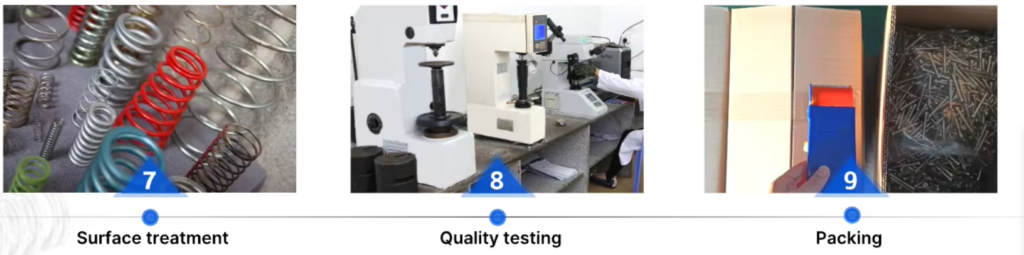
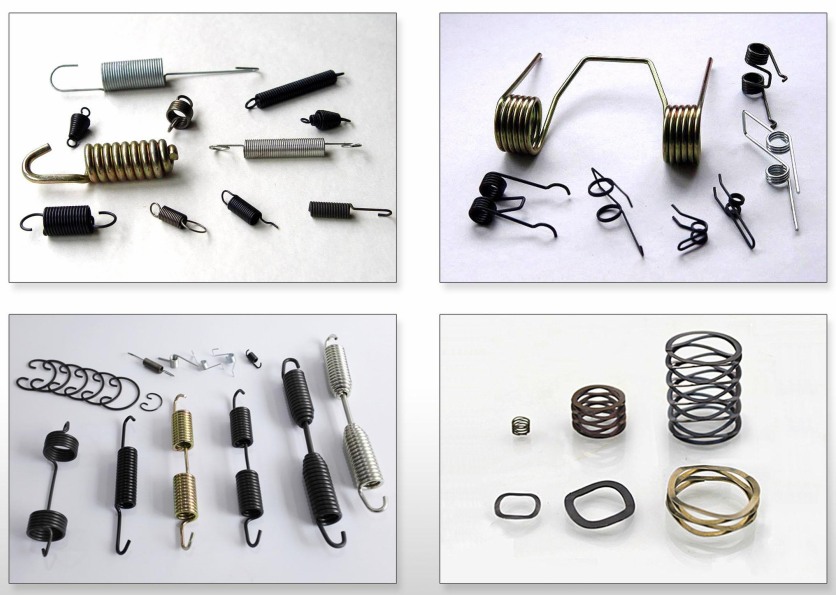
Ny loharano dia singa tena ilaina amin'ny indostria tsy tambo isaina, from automotive and aerospace to medical devices and household appliances. Custom springs, manokana, offer tailored solutions to meet specific requirements for performance, Size, KEVITRA, and application. Designing a custom spring requires careful consideration of numerous factors, from functionality to environmental conditions.
Springs Compression
Tension Springs
Torsion Springs
Flat Springs
Specialty Springs
Ny fisafidianana ny fitaovana mety dia zava-dehibe amin'ny fampisehoana sy ny faharetan'ny lohataona mahazatra. Ny fitaovana mahazatra sasany dia misy:
Carbon Steel
Inôksa
Alloy vy
Phosphor Bronze sy Beryllium Copper
titane
Inconel sy Superalloys hafa
Rehefa mamolavola lohataona mahazatra, misy antony maromaro tokony hodinihina:
Karazana lohataona: Fidio ny karazana lohataona mety (famatrarana, olana, Sns) mifototra amin'ny fampiharana.
Fangatahana entana:
Lohataona Dimensions:
Safidy ara-pitaovana: Misafidiana fitaovana mifanaraka amin'ny tontolo iainan'ny fampiharana, HERY, ary fepetra takiana amin'ny faharetana.
Ny adin-tsaina sy ny havizanana:
Tontolo iainana miasa:
Karazana farany:
Fametrahana Fanamboarana:
Farito ny zavatra takinao:
Mifidiana fitaovana iray:
Miaraha miasa amin'ny LINSPRING:
Fampandrosoana prototype:
Famokarana farany:
Provide Clear Specifications:
Mangataka santionany:
Resaho ny fanarahan-dalàna:
Leverage Expertise:
Drafitra ho an'ny Scalability:
Loharano manokana dia fanovana lalao ho an'ny fampiharana izay mitaky fahitsiana, fampisehoana, ary azo itokisana. By carefully considering factors like material, famolavolana, ary ny tontolo iainana miasa, afaka mamorona loharano mifanaraka tsara amin'ny filanao ianao. Ny fiaraha-miasa amin'ny mpanamboatra azo itokisana LIKE LINSPRING dia miantoka ny fizotry ny fizotry ny famolavolana hatramin'ny famokarana, manampy anao hahazo vokatra tsara indrindra.
Mbola tsy azo antoka izay fitaovana mifanaraka amin'ny filanao? Andao hiresaka momba ny fampiharana manokana anao. Na fiarakodia izany, aerospace, na injeniera mazava tsara, afaka manampy anao izahay hisafidy ny fitaovana tonga lafatra mifanaraka amin'ny zavatra takinao.
Tianao ve ny tolo-kevitra mifanaraka amin'izany na mitsoraka lalina amin'ny iray amin'ireo fitaovana? Andao hahomby ny tetikasanao!
Ao amin'ny Xiamen Lin Spring Manurafcturing, Manokana manokana izahay amin'ny famokarana loharano avo lenta ho an'ny indostria isan-karazany.
mailaka: Sales@linspring.net
Phone:+86-13599531763
Adiresy: Unit 502, tany 5, Trano B, # 1 atrikasa, Foibe mpanohana ny kojakoja indostrialy fiara (dingana iv), Tanànan'i Guankou, Distrika Jimei, Xiamen,Fujian,CHINE
Hifandray aminao izahay ao anatiny 1 andro fiasana.