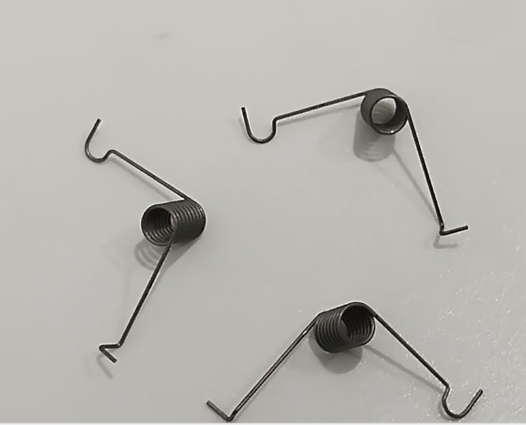
Customized Torsion Spring from China Manufacturer For door Lock

Nga Taipitopito Hua

Torsion springs are critical components in door lock mechanisms, offering reliable and efficient operation by applying rotational force. These springs are widely used in residential, tauhokohoko, and industrial door locks for their ability to store mechanical energy and provide precise torque. This guide explores the fundamentals of torsion springs for door locks, their features, tono, kōwhiringa whakaritenga, and tips for sourcing.


What Are Torsion Springs?

Torsion springs are helical springs that work by twisting their ends to apply rotational force or torque. Kaore i rite ki nga puna pupuhi, ki nga puna toronga ranei, torsion springs operate in an angular motion, making them ideal for applications requiring rotational energy.

Nga waahanga matua:

  • Papanga: Typically made of durable materials like stainless steel, waro maitai, koranu maitai ranei.
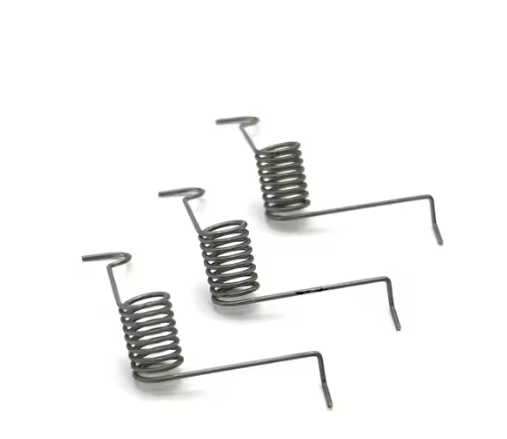
  • Hoahoa: Ends are either straight, hooked, or bent to fit the lock mechanism.
  • Kiato: Small size with high energy efficiency.
  • Versatile: Can be designed for both clockwise and counterclockwise operation.

Role of Torsion Springs in Door Locks

Torsion springs in door locks control the rotational movement of lock components, ensuring smooth operation and reliable performance. Commonly, they are used in mechanisms like:

  • Nga poroporoaki: Assists in retracting or extending the bolt.
  • Latch Locks: Provides consistent torque for the latch.
  • Nga Raka Kameera: Enables precise movement of the locking cam.
  • Maukati Ataata: Ensures return-to-neutral position for enhanced functionality.

Benefits of Torsion Springs in Door Locks

  1. Precise Torque Control:
    • Delivers consistent force for smooth lock operation.
  2. Compact and Durable:
    • Fits into small spaces within the lock mechanism.
    • High fatigue resistance for extended life cycles.
  3. Customizable Design:
    • Tailored to specific load requirements, koki, and sizes.
  4. Utu-whai hua:
    • Long-lasting performance reduces maintenance costs.
  5. Whakanuia te Haumarutanga:
    • Ensures proper functioning of locks for reliable security.

Rauemi noa mo nga Puna Torsion

1. Kowiri tira:

  • Corrosion-resistant and suitable for outdoor or moist environments.
  • Ideal for high-security door locks.

2. Ko te kowiri waro:

  • Strong and affordable material.
  • Commonly used in standard lock mechanisms.

3. Phosphor Bronze:

  • Combines corrosion resistance with excellent fatigue strength.
  • Preferred for high-precision locks.

4. Waea Waiata:

  • High-tensile steel with superior elasticity.
  • Suitable for applications requiring frequent use.

Applications of Torsion Springs in Door Locks

  1. Residential Locks:
    • Used in deadbolts, latch locks, and knob locks for homes.
  2. Commercial Locks:
    • Found in high-duty locks for offices, schools, and retail spaces.
  3. Maukati Ataata:
    • Assists in the automatic reset of electronic locks.
  4. Industrial Locks:
    • Heavy-duty torsion springs for warehouses and factories.
  5. Padlocks:
    • Ensures the shackle springs back to the locked position.

Customization Options for Torsion Springs

When ordering torsion springs for door locks, ensure the following specifications are clear:

1. Diameter waea:

  • Affects the spring's strength and torque capacity.

2. Diamita Pokaoka:

  • The outer diameter must fit the lock housing.

3. Te maha o nga Coils:

  • Determines the spring's deflection and energy storage.

4. Whakaritenga Torque:

  • Specify the load and angle of operation for optimal performance.

5. Leg Configuration:

  • Tika, hooked, or bent legs depending on lock design.

6. Rotation Direction:

  • Clockwise or counterclockwise based on the mechanism's requirements.

7. Whakaoti Mata:

  • Options like zinc plating, waikura pango, or passivation for corrosion resistance.

Tips for Wholesale Sourcing Torsion Springs for Door Locks

China is a leading manufacturer of torsion springs, offering high-quality products at competitive prices. Here’s how to source effectively:

Hipanga 1: Research Reputable Suppliers

  • Use platforms like Alibaba, Made-in-China, or Global Sources.
  • Look for suppliers specializing in lock components and springs.

Hipanga 2: Verify Supplier Credentials

  • ISO9001 Certification for quality management.
  • RoHS Compliance for environmentally safe materials.
  • Positive reviews and case studies from customers.

Hipanga 3: Request Samples and Prototypes

  • Test for torque precision, mauroa, and compatibility with your lock design.

Hipanga 4: Confirm Customization Capabilities

  • Ensure the supplier can meet your specific design and material requirements.

Hipanga 5: Negotiate Terms

  • Bulk pricing, nga wa arahi, and shipping methods should be clarified upfront.

Quality Inspection for Torsion Springs

Ensure your torsion springs meet the following criteria before finalizing your order:

  1. Kounga Rawa:
    • Verify material composition with certificates like SGS or RoHS.
  2. Dimensional Accuracy:
    • Check coil diameter, wire thickness, and leg lengths.
  3. Torque Testing:
    • Confirm the spring meets required torque and angular deflection.
  4. Whakaoti Mata:
    • Ensure anti-corrosion coatings are applied uniformly.
  5. Ātete Rohirohi:
    • Evaluate the spring's performance under repetitive load cycles.

Whakamutunga

Torsion springs are integral to door lock functionality, providing precise torque, mauroa, me te pono. By sourcing from reputable Chinese manufacturers, you can access high-quality, customizable springs at competitive prices. Whether for residential, tauhokohoko, tono ahumahi ranei, understanding the specifications and sourcing tips outlined in this guide will help you find the perfect torsion spring solution for your door lock needs.

Tonoa He Korero Tere

Ka whakapā atu matou ki a koe i roto 1 ra mahi.
Tuwhera te korerorero
Kia ora 👋
Ka taea e matou te awhina ia koe?