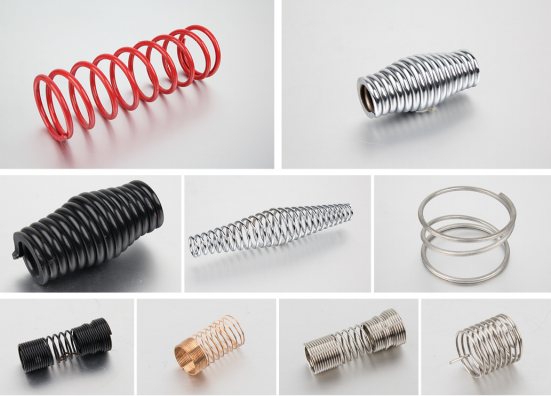
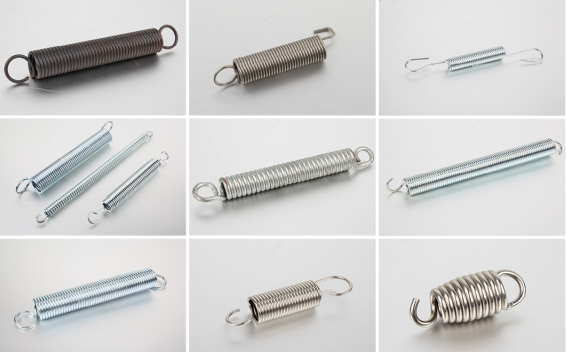
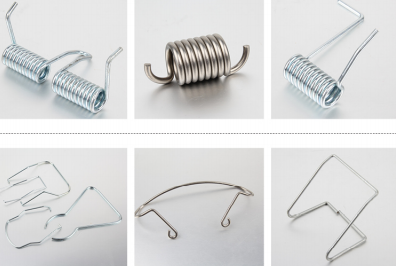

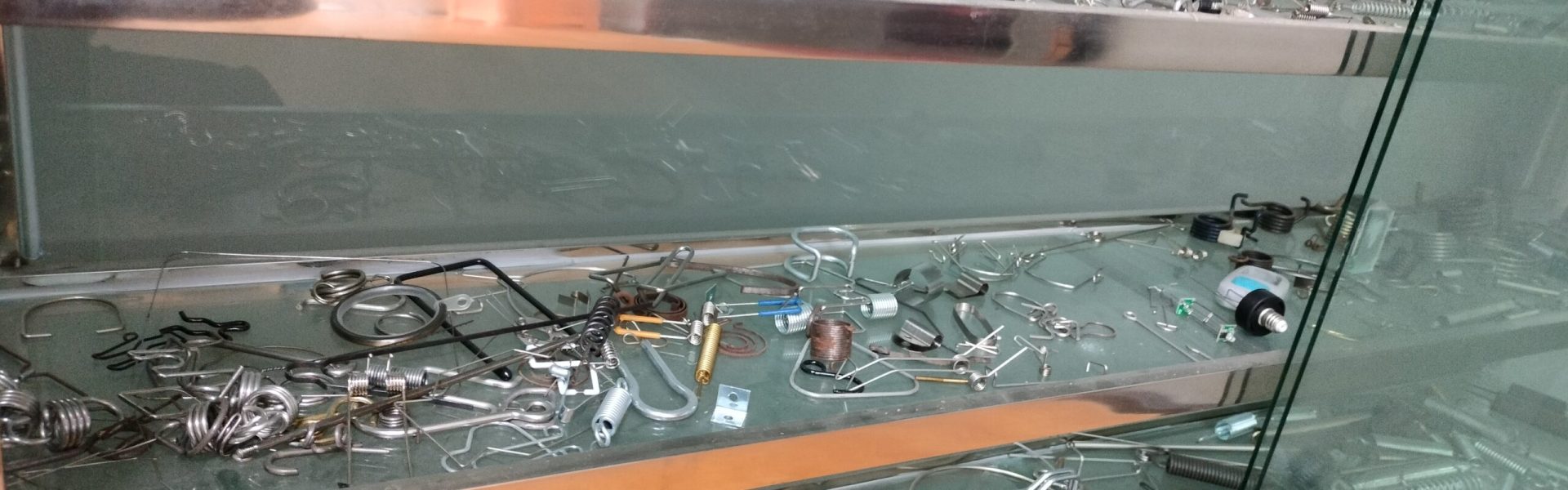
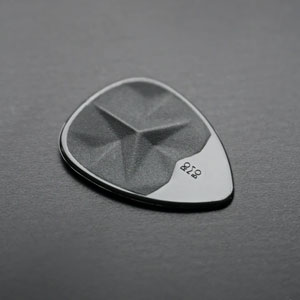
Sous dlo nou yo fabrike pou satisfè espesifikasyon egzak, asire pèfòmans siperyè ak fyab.

Soti nan asye pur nan alyaj espesyalize, nou travay ak yon varyete materyèl pou satisfè kondisyon ou.

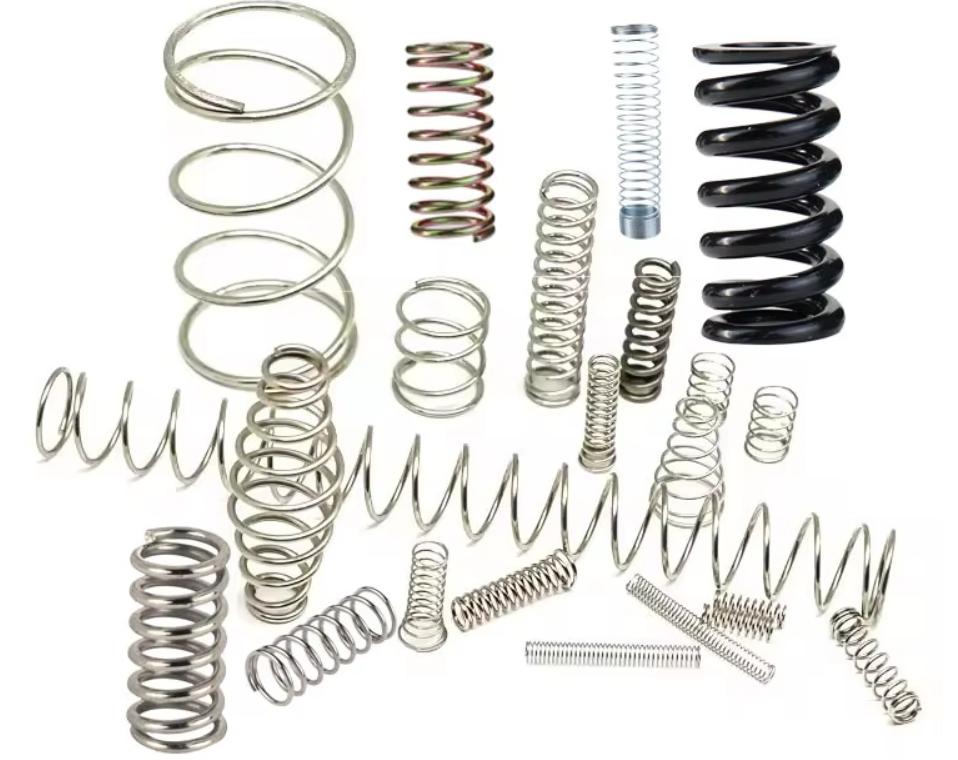
Kit ou bezwen sous konpresyon, sous dlo torsion, sous dlo ekstansyon, oswa fòm fil, nou delivre solisyon koutim.

Pri dirèk faktori asire ou jwenn pi bon valè pou bon jan kalite siperyè.

Pwosesis senplifye pèmèt nou delivre lòd ou yo alè, chak fwa.

We efficiently handle international logistics to deliver anywhere in the world.
Springs are the unsung heroes in many industries, providing the flexibility, fòs, and precision needed for countless applications. Whether you’re designing high-performance machinery or everyday tools, selecting the right material ensures reliability, dirab, ak pri-efikasite. Let’s break down the essentials to help you make an informed decision!
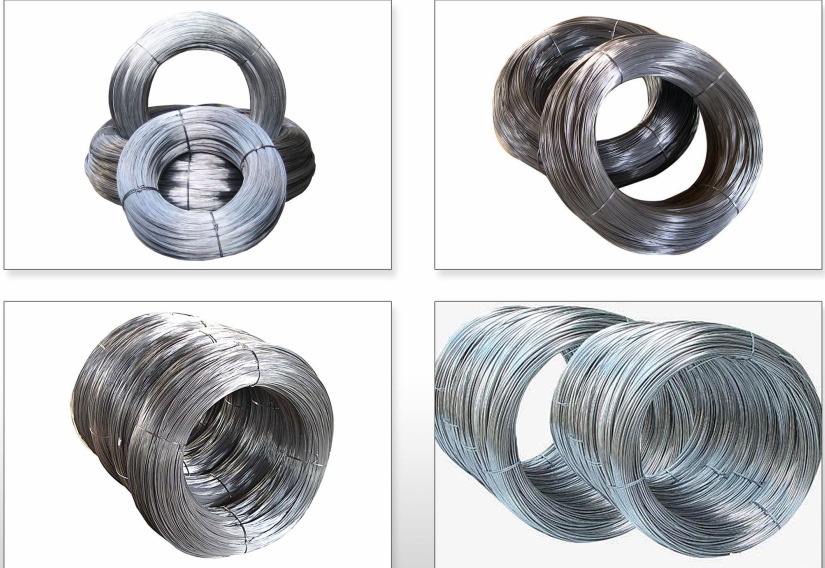
Spring steels are incredibly popular due to their combination of elasticity, fòs rupture, ak rezistans fatig. They’re ideal for applications where springs are under constant stress or load.
If your application involves exposure to moisture, pwodwi chimik, or extreme weather, stainless steel is your go-to material. These alloys are resistant to rust and ensure long-lasting performance.
Pafwa, your application calls for something extra. That’s where specialty materials like superalloys and high-strength composites come in.
Case 1: Marine Equipment Manufacturer
A client designing springs for deep-sea applications chose 316L en fe for its superior resistance to saltwater corrosion. This decision doubled the service life of their products and reduced maintenance costs by 30%.
Case 2: Heavy Machinery Builder
A manufacturer of industrial presses switched to SWP alloy steel for their tension springs. The result? Springs withstood 20% higher loads and lasted 50% longer under continuous operation.
Case 3: Food Processing Startup
For springs in food slicers, 304 asye pur was the perfect choice due to its affordability and compliance with food safety standards. The startup saved 15% on costs while ensuring hygienic performance.
| Serial No. | Steel Grade | C (%) | Epi (%) | Mn (%) | Kr (%) | Mo (%) | V (%) | B (%) | Nan (%) | Cu (%) | P (%) | S (%) |
|---|---|---|---|---|---|---|---|---|---|---|---|---|
| 1 | 65 | 0.62–0.70 | 0.17–0.37 | 0.50–0.80 | ≤ 0.25 | — | — | — | 0.25 | 0.25 | ≤ 0.035 | ≤ 0.035 |
| 2 | 70 | 0.62–0.75 | 0.17–0.37 | 0.50–0.80 | ≤ 0.25 | — | — | — | 0.25 | 0.25 | ≤ 0.035 | ≤ 0.035 |
| 3 | 85 | 0.72–0.85 | 0.17–0.37 | 0.50–0.80 | ≤ 0.25 | — | — | — | 0.25 | 0.25 | ≤ 0.035 | ≤ 0.035 |
| 4 | 65Mn | 0.62–0.70 | 0.17–0.37 | 0.90–1.20 | ≤ 0.25 | — | — | — | 0.25 | 0.25 | ≤ 0.035 | ≤ 0.035 |
| 5 | 55Si2Mn | 0.52–0.60 | 1.50–2.00 | 0.60–0.90 | ≤ 0.35 | — | — | — | 0.35 | 0.35 | ≤ 0.035 | ≤ 0.035 |
| 6 | 55Si2MnB | 0.52–0.60 | 1.50–2.00 | 0.60–0.90 | ≤ 0.35 | — | — | 0.0005–0.004 | 0.35 | 0.35 | ≤ 0.035 | ≤ 0.035 |
| 7 | 55Si2Mn VB | 0.52–0.60 | 0.70–1.00 | 1.00–1.30 | ≤ 0.35 | — | 0.08–0.16 | 0.0005–0.0035 | 0.35 | 0.35 | ≤ 0.035 | ≤ 0.035 |
| 8 | 60Si2Mn | 0.56–0.64 | 1.50–2.00 | 0.60–0.90 | ≤ 0.35 | — | — | — | 0.35 | 0.35 | ≤ 0.035 | ≤ 0.035 |
| 9 | 60Si2MnA | 0.56–0.64 | 1.60–2.00 | 0.60–0.90 | ≤ 0.35 | — | — | — | 0.35 | 0.35 | ≤ 0.035 | ≤ 0.030 |
| 10 | 60Si2CrA | 0.56–0.64 | 1.40–1.80 | 0.40–0.70 | 0.70–1.00 | — | — | — | 0.25 | 0.25 | ≤ 0.035 | ≤ 0.030 |
| 11 | 55CrVA | 0.56–0.64 | 1.40–1.80 | 0.40–0.70 | 0.90–1.20 | — | 0.10–0.20 | — | 0.25 | 0.25 | ≤ 0.035 | ≤ 0.035 |
| 12 | 60CrMnA | 0.56–0.64 | 0.17–0.37 | 0.70–1.00 | 0.70–1.00 | — | — | — | 0.25 | 0.35 | ≤ 0.035 | ≤ 0.035 |
| 13 | 50CrVA | 0.46–0.54 | 0.17–0.37 | 0.50–0.80 | 0.80–1.10 | — | 0.10–0.20 | — | 0.25 | 0.25 | ≤ 0.035 | ≤ 0.035 |
| 14 | 30CrV2A | 0.26–0.34 | 0.17–0.37 | ≤ 0.40 | 2.00–2.50 | — | 0.50–0.80 | 4.4–5.0 | 0.35 | 0.35 | ≤ 0.035 | ≤ 0.035 |
Tretman chalè prentan esansyèl pou optimize pwopriyete mekanik, asire durability, ak amelyore rezistans fatig. Plizyè teknik ranfòse, tankou trempe, tanperaman, ak tretman sifas yo, yo aplike selon kalite materyèl ak kondisyon aplikasyon yo.
Pwosesis tretman chalè pou sous dlo ka klase nan twa kalite:
Pwosesis trempe asire transfòmasyon martensitic inifòm, ki te swiv pa tanperaman pou soulaje estrès ak amelyore severite. Techniques such as isothermal tempering further improve plasticity and toughness, ensuring the spring maintains dimensional accuracy and mechanical stability.
| Process Type | Deskripsyon | Materials Used | Key Effects |
|---|---|---|---|
| Trempe & Tanperaman | Heating above Ac3, holding, then rapid cooling and tempering. | High-carbon steel, alyaj asye | Increases strength, dite, and elasticity. |
| Ranfòsman travay frèt | Uses mechanical deformation instead of heat treatment. | Stainless steel wire, cold-rolled steel strips | Enhances work-hardening properties. |
| Tretman aje | Additional heat stabilization after initial processing. | Certain alloy materials | Improves stability and strength. |
| Isothermal Quenching | Maintains temperature above Ms, cools in molten salt. | High-carbon steel, alloy springs | Enhances toughness and plasticity. |
| Controlled Tempering | Gradual cooling to prevent deformation. | Sous presizyon, mechanical components | Reduces internal stress and ensures accuracy. |
This structured approach ensures that each heat treatment method is aligned with specific material properties and application requirements for optimized performance.
The heat treatment of springs:
| Metòd | Process Description | Key Benefits | Aplikasyon komen |
|---|---|---|---|
| Conventional Heat Treatment | Heating and cooling steel to adjust mechanical properties | Increases strength, elastisite, ak rezistans | Medium to high-carbon steel springs |
| Surface Hardening Treatment | Carburizing, nitriding, or induction hardening of the outer layer | Enhances wear resistance while keeping core toughness | Automotive and industrial springs |
| Aging & Tanperaman | Heat treatment to relieve internal stresses and refine microstructure | Improves stability and mechanical consistency | Precision and high-load springs |
| Steel Grade | Austenitizing Temperature (°C) | Isothermal Quenching Temperature (°C) | Cooling Time (min) | Dite (HRC) |
|---|---|---|---|---|
| 65 | 820 ± 10 | 320 – 340 | 15 – 20 | 46 – 48 |
| 60Si2MnA | 870 ± 10 | 260 | 20 – 25 | 50 – 52 |
| 50CrVA | 850 ± 10 | 300 | 20 – 25 | 55 – 57 |
| Steel Type | Heat Treatment Process | Dite (HRC) | Fòs rupture (MPa) | Sede fòs (MPa) | Elongation (%) | Impact Toughness (J/cm²) |
|---|---|---|---|---|---|---|
| 50CrVA | Conventional Quenching + Tanperaman | 48 | 1750 | 1500 | 10 | 44 |
| 60Si2MnA | Isothermal Quenching + Tanperaman | 47 | 1900 | 1750 | 11 | 46 |
| 65Si2MnWA | Isothermal Quenching + Tanperaman | 50 | 2100 | 1980 | 9 | 43 |
This table format provides a clear and organized comparison of different heat treatment techniques for springs.

Xiamen Linspring was able to manufacture my custom order to specifications and was helpful and communicatie along the way.The quality of the delivered product was good.

This was my second order with Linspring. The seller is great to communicate with and the spring were perfect,just like the first order. Thank you for your prompt,courteous.

Trè kontan ak sous koutim nou yo. Sou tan ak anbake te rapid

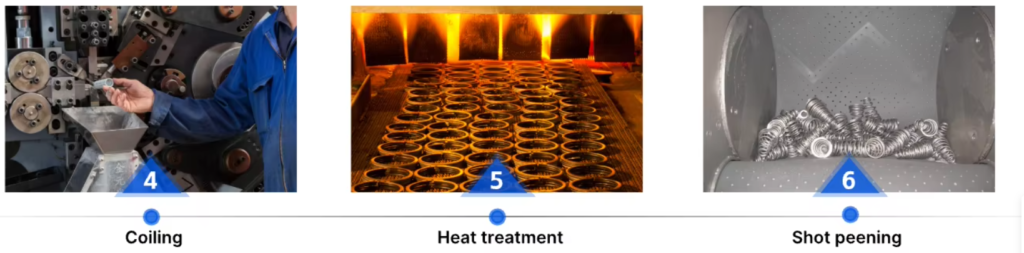
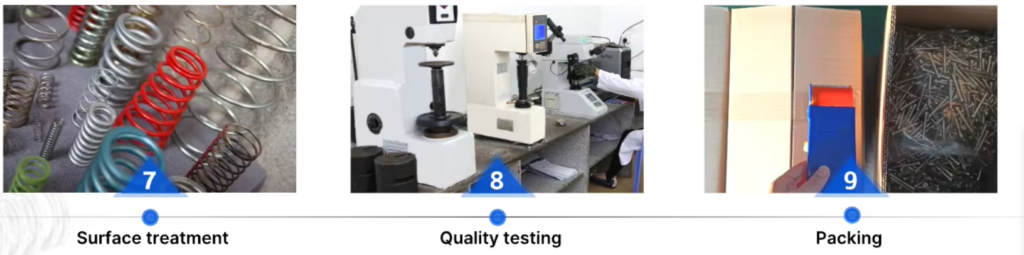
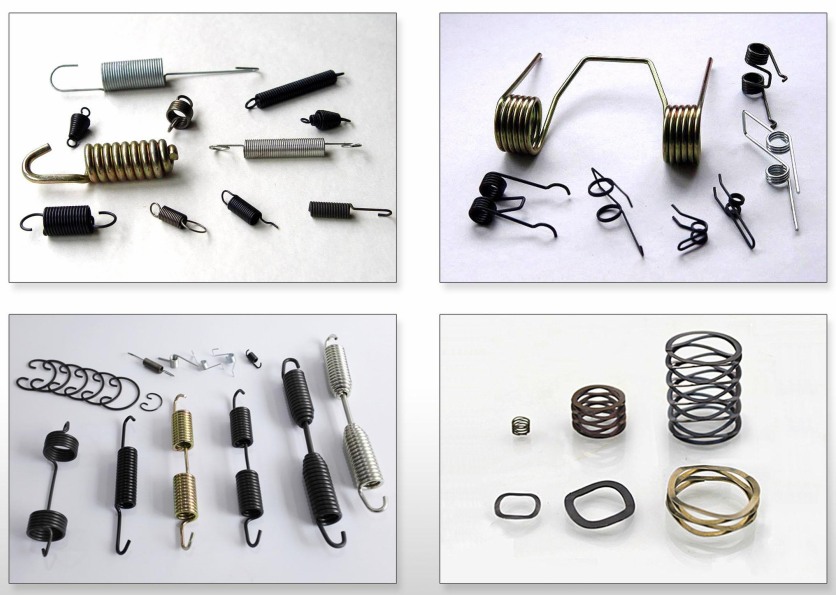
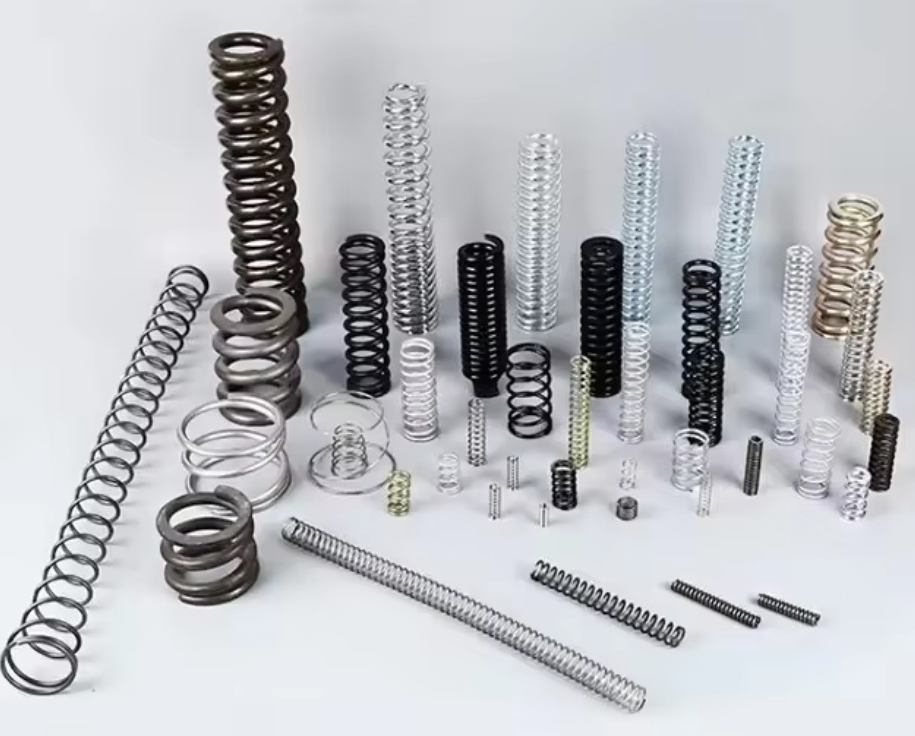
Springs yo se eleman esansyèl nan endistri inonbrabl, soti nan otomobil ak ayewospasyal nan aparèy medikal ak aparèy nan kay la. Sous koutim, an patikilye, ofri solisyon pwepare pou satisfè kondisyon espesifik pou pèfòmans, gwosè, materyèl, ak aplikasyon. Konsepsyon yon sezon prentan koutim mande pou konsiderasyon ak anpil atansyon sou anpil faktè, soti nan fonksyonalite nan kondisyon anviwònman an.
Springs konpresyon
Tansyon Springs
Torsion Springs
Sou entènèt jwèt Flat Springs
Specialty Springs
Choosing the right material is critical for the performance and durability of a custom spring. Some common materials include:
Kabòn Steel
Asye pur
Alloy Steel
Phosphor Bronze and Beryllium Copper
Titàn
Inconel and Other Superalloys
When designing a custom spring, there are several factors to consider:
Kalite prentan: Choose the appropriate spring type (konpresyon, tansyon, elatriye.) based on the application.
Kondisyon pou chaj:
Spring dimansyon:
Seleksyon materyèl: Chwazi yon materyèl ki satisfè anviwònman aplikasyon an, fòs, ak kondisyon durability.
Estrès ak Fatig:
Anviwònman fonksyònman:
Kalite fen:
Kontrent fabrikasyon:
Defini egzijans ou yo:
Chwazi yon Materyèl:
Travay ak LINPRING:
Pwototip Devlopman:
Pwodiksyon final la:
Bay espesifikasyon klè:
Mande echantiyon:
Diskite sou Konfòmite:
Ekspètiz ogmante:
Plan for Scalability:
Custom springs are a game-changer for applications that demand precision, pèfòmans, ak fyab. By carefully considering factors like material, konsepsyon, ak anviwònman opere, you can create a spring that perfectly suits your needs. Partnering with a trusted manufacturer LIKE LINSPRING ensures a seamless process from design to production, helping you achieve optimal results.
Still unsure which material fits your needs? Let’s discuss your specific application. Whether it’s automotive, ayewospasyal, or precision engineering, we can help you select the perfect material tailored to your requirements.
Would you like a tailored recommendation or a deeper dive into one of the materials? Let’s make your project a success!
Nan Xiamen Lin Spring Faktori, Nou espesyalize nan pwodwi bon jan kalite sous koutim pou divès endistri yo.
Imèl: sales@linspring.net
Telefòn:+86-13599531763
Adrès: Inite 502, etaj 5, Bilding B, # 1 atelye, Endistri oto Pati City Sipò Sant (faz iv), Guankou Town, Distri Jimei, Ksiamèn,Fujian,Lachin
Nou pral kontakte ou nan 1 jou travay.