custom spring factory

China Leading Spring Manufacturer

Our Products

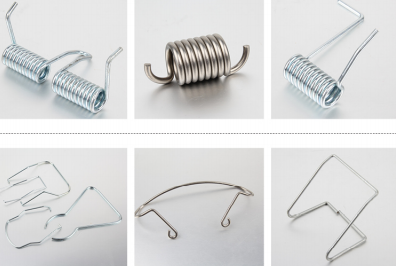
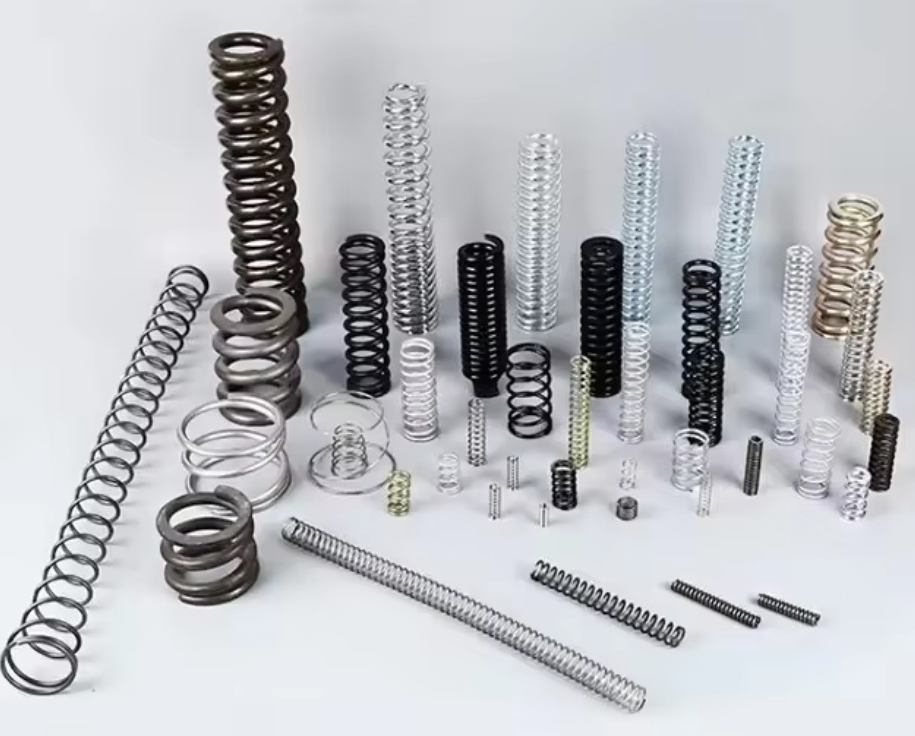
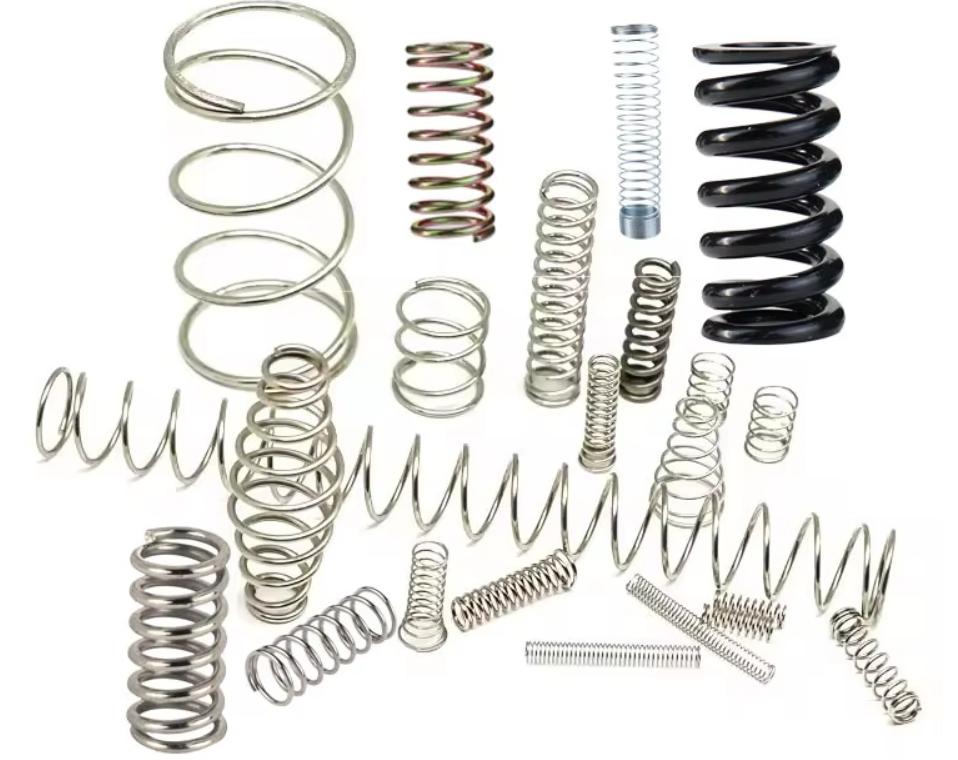
COMPRESSION SPRING
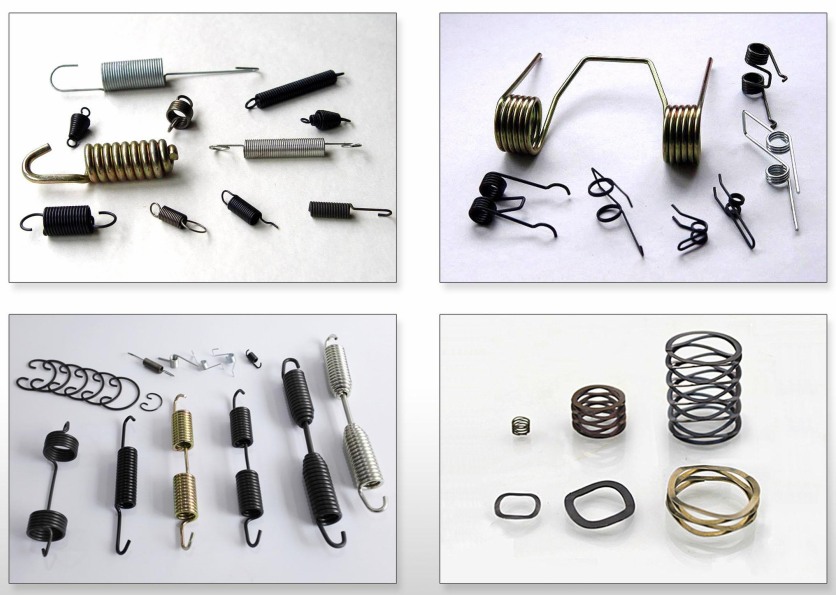
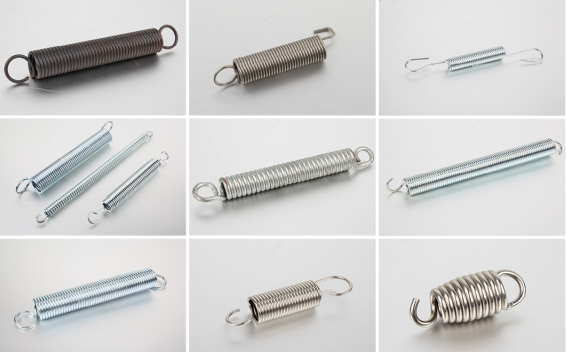
EXTENSION SPRING SUPPLIER
CUSTOM SPRING SUPPLIER

China Best Spring Supplier & Manufacturer

Precision Engineering

Our springs are crafted to meet exact specifications, ensuring superior performance and reliability.

Wide Range of Materials

From stainless steel to specialized alloys, we work with a variety of materials to meet your requirements.

התאמה אישית

Whether you need compression springs, קפיצי פיתול, extension springs, or wire forms, we deliver custom solutions.

Competitive Pricing

Direct factory pricing ensures you get the best value for top-tier quality.

Fast Turnaround Time

Streamlined processes allow us to deliver your orders on time, בכל פעם.

Global Shipping

We efficiently handle international logistics to deliver anywhere in the world.

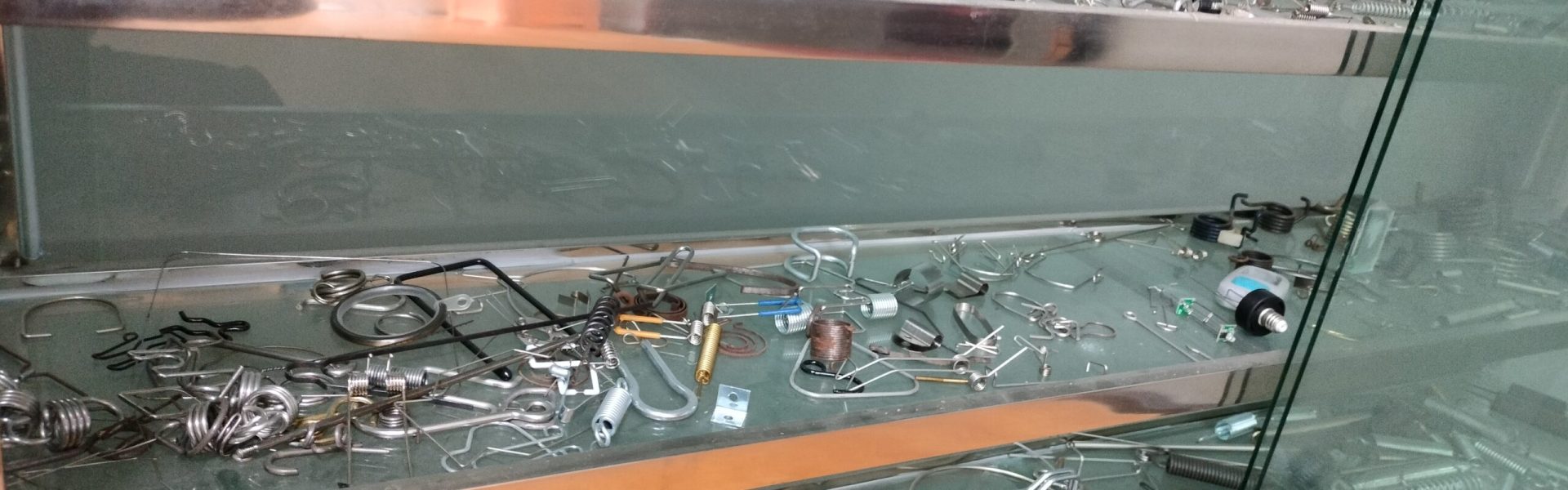
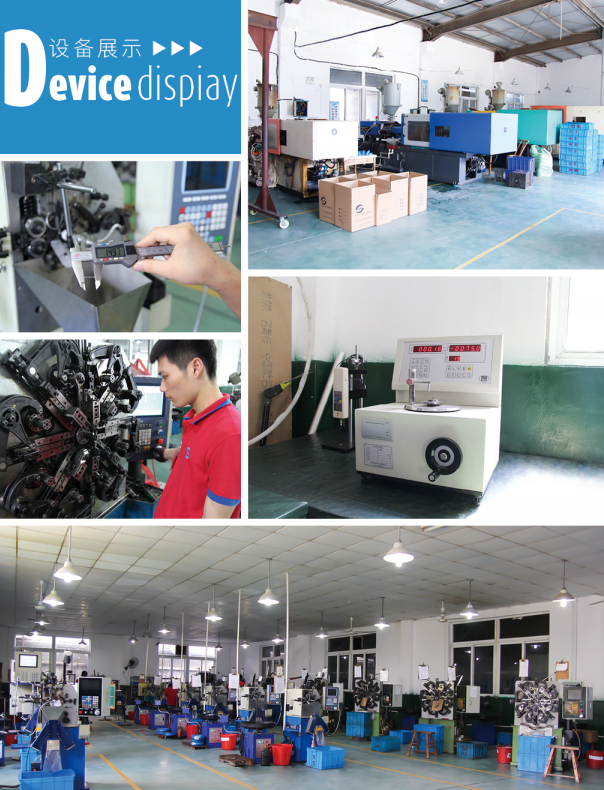
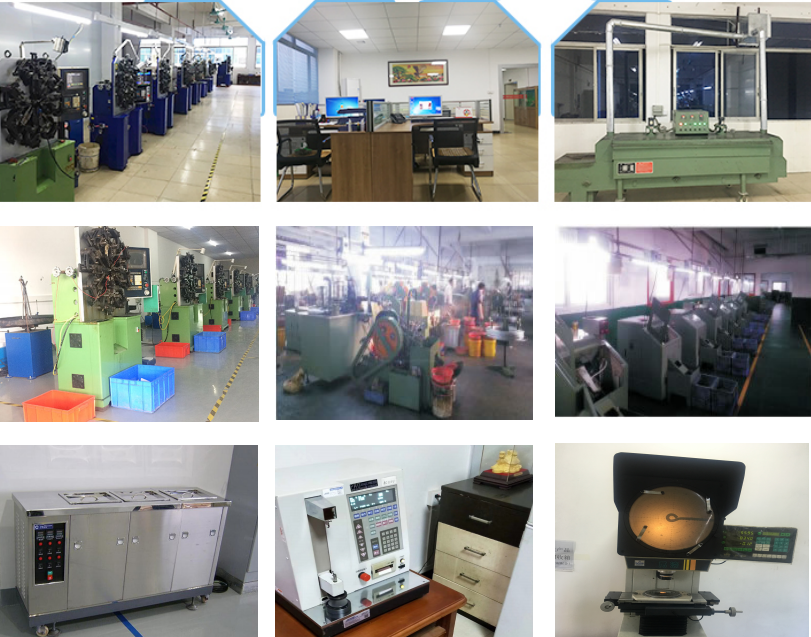
Our Factory Insight

custom spring factory

Spring Material Descriptions and Key Properties

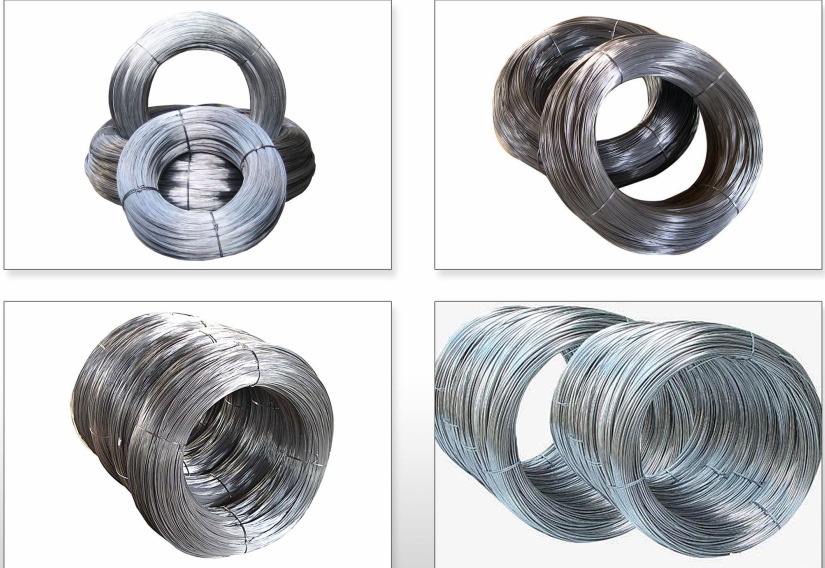
STEEL WIRE CUSTOM SPRING

Springs are the unsung heroes in many industries, providing the flexibility, כּוֹחַ, and precision needed for countless applications. Whether you’re designing high-performance machinery or everyday tools, selecting the right material ensures reliability, עֲמִידוּת, and cost-effectiveness. Let’s break down the essentials to help you make an informed decision!


1. Spring Steel: The Backbone of High-Performance Springs

Spring steels are incredibly popular due to their combination of elasticity, tensile strength, and fatigue resistance. They’re ideal for applications where springs are under constant stress or load.

פלדת קפיצי פחמן (SWC)

  • Features:
    SWC is crafted through quenching and tempering, making it robust yet cost-effective. זה זמין בדרגות המותאמות ליכולות עומס שונות ומושלם ליישומים הדורשים קשיות בינונית עד גבוהה.
  • יישומים אופייניים:
    • תעשיית הרכב: מערכות מתלים, קפיצי שסתום, ורכיבי מצמד.
    • כלים חקלאיים: מכונות נושאות עומס כמו מחרשות ומזרעים.
    • מכונות כלליות: תיבות הילוכים, מותחנים, ומנגנוני איזון.
  • למה לבחור SWC?: במחיר סביר, עָמִיד, וקל לעיבוד - מושלם לשימוש תעשייתי יומיומי!

סגסוגת קפיץ פלדה (SWP)

  • Features:
    אלמנטים סגסוגת משפרים עמידות וגמישות עייפות, מה שהופך את SWP למתאים ליישומים כבדים. הוא מתפקד בצורה יוצאת דופן תחת עומסים וטמפרטורות קיצוניות.
  • יישומים אופייניים:
    • מכונות כבדות: חופרים, מנופים, ומכבשים תעשייתיים.
    • מגזר האנרגיה: קפיצים לטורבינות רוח או גנרטורים הידרואלקטרים.
    • תעופה וחלל: רכיבים נתונים לרעידות בתדר גבוה או לשינויי טמפרטורה קיצוניים.
  • למה לבחור SWP?: חוסן גבוה, עמידות מעולה לעייפות, ועמידות ללא תחרות ליישומים קריטיים.

2. נירוסטה: כאשר עמידות בפני קורוזיה חשובה

אם היישום שלך כרוך בחשיפה ללחות, כימיקלים, או מזג אוויר קיצוני, פלדת אל חלד היא החומר הרצוי שלך. סגסוגות אלו עמידות בפני חלודה ומבטיחות ביצועים לאורך זמן.

304 נירוסטה (Cr18Ni9)

  • Features:
    אפשרות רב-תכליתית וחסכונית עם עמידות טובה בפני קורוזיה וחוזק מתון.
  • יישומים אופייניים:
    • ציוד לעיבוד מזון: קפיצים לפרוסות, מיקסרים, ומחלקים.
    • מכשירים רפואיים: מכשירים כירורגיים וכלי אבחון.
    • בְּנִיָה: קפיצים במעקות, מבני תמיכה, ומערכות חזיתות.
  • למה לבחור 304?: במחיר סביר, זמין באופן נרחב, ומתאים לרוב הסביבות הלא קורוזיביות.

316L נירוסטה (Cr17Ni12Mo2)

  • Features:
    עמידות בפני קורוזיה משופרת, במיוחד בסביבות כלוריד או ימיות.
  • יישומים אופייניים:
    • תעשייה ימית: קפיצים במנועי סירה, בוקעים, ומערכות ניווט.
    • מפעלים כימיים: Valve springs and seals in corrosive environments.
    • Pharmaceuticals: Springs in hygienic environments requiring high purity.
  • Why Choose 316L?: Premium-grade resistance for challenging environments.

420 נירוסטה

  • Features:
    Offers high hardness and wear resistance, making it ideal for precision applications.
  • יישומים אופייניים:
    • Precision Engineering: Springs in watches, measuring tools, and cutting equipment.
    • Industrial Tools: Springs in drilling machines, clamps, and fasteners.
    • תעופה וחלל: Critical components requiring tight tolerances and high strength.
  • למה לבחור 420?: Unmatched precision and strength for specialized uses.

3. Specialty Materials for Unique Needs

Sometimes, your application calls for something extra. That’s where specialty materials like superalloys and high-strength composites come in.

  • Superalloys (לְמָשָׁל., אינקונל, מונל): Perfect for high-temperature applications like gas turbines or nuclear reactors.
  • High-Strength Composites: Ideal for lightweight yet robust components in automotive or aerospace industries.

Real-Life Case Studies: Choosing the Right Material

  • Case 1: Marine Equipment Manufacturer
    A client designing springs for deep-sea applications chose 316L stainless steel for its superior resistance to saltwater corrosion. This decision doubled the service life of their products and reduced maintenance costs by 30%.

  • Case 2: Heavy Machinery Builder
    A manufacturer of industrial presses switched to SWP alloy steel for their tension springs. The result? Springs withstood 20% higher loads and lasted 50% longer under continuous operation.

  • Case 3: Food Processing Startup
    For springs in food slicers, 304 נירוסטה was the perfect choice due to its affordability and compliance with food safety standards. The startup saved 15% on costs while ensuring hygienic performance.


Key Factors to Consider

  1. דרישות עומס: בחר חומרים בעלי מתיחה גבוהה עבור עומסים כבדים או מתחים מחזוריים.
  2. תנאים סביבתיים: נירוסטה חיונית לסביבות קורוזיביות או לחות.
  3. תַקצִיב: פלדות פחמן חסכוניות, בעוד פלדות אל חלד מציעות ערך לטווח ארוך בתנאים מאתגרים.
  4. צרכי ציות: ודא שהחומרים עומדים בתקני התעשייה (לְמָשָׁל., ה-FDA, ASTM, או ISO).

ההרכב הכימי של דרגות פלדה שונות המשמשות בייצור קפיץ

מס' סידורי.כיתה פלדהג (%)ו (%)Mn (%)Cr (%)מו (%)V (%)ב (%)ב (%)Cu (%)פ (%)ס (%)
1650.62–0.700.17-0.370.50-0.80≤ 0.250.250.25≤ 0.035≤ 0.035
2700.62-0.750.17-0.370.50-0.80≤ 0.250.250.25≤ 0.035≤ 0.035
3850.72-0.850.17-0.370.50-0.80≤ 0.250.250.25≤ 0.035≤ 0.035
465Mn0.62–0.700.17-0.370.90–1.20≤ 0.250.250.25≤ 0.035≤ 0.035
555Si2Mn0.52-0.601.50–2.000.60-0.90≤ 0.350.350.35≤ 0.035≤ 0.035
655Si2MnB0.52-0.601.50–2.000.60-0.90≤ 0.350.0005–0.0040.350.35≤ 0.035≤ 0.035
755Si2Mn VB0.52-0.600.70–1.001.00–1.30≤ 0.350.08-0.160.0005–0.00350.350.35≤ 0.035≤ 0.035
860Si2Mn0.56-0.641.50–2.000.60-0.90≤ 0.350.350.35≤ 0.035≤ 0.035
960Si2MnA0.56-0.641.60–2.000.60-0.90≤ 0.350.350.35≤ 0.035≤ 0.030
1060Si2CrA0.56-0.641.40–1.800.40–0.700.70–1.000.250.25≤ 0.035≤ 0.030
1155תוֹלַעַת0.56-0.641.40–1.800.40–0.700.90–1.200.10–0.200.250.25≤ 0.035≤ 0.035
1260CrMnA0.56-0.640.17-0.370.70–1.000.70–1.000.250.35≤ 0.035≤ 0.035
1350תוֹלַעַת0.46–0.540.17-0.370.50-0.800.80–1.100.10–0.200.250.25≤ 0.035≤ 0.035
1430CrV2A0.26–0.340.17-0.37≤ 0.402.00–2.500.50-0.804.4-5.00.350.35≤ 0.035≤ 0.035

תהליך טיפול בחום של קפיצים

טיפול בחום באביב חיוני למיטוב תכונות מכניות, ensuring durability, and enhancing fatigue resistance. Various strengthening techniques, such as quenching, tempering, and surface treatments, are applied based on material type and application requirements.

The heat treatment process for springs can be categorized into three types:

  1. Quenching and Tempering: Applied to high-carbon steel and alloy springs to improve hardness and elasticity.
  2. Cold Work Strengthening: Used for materials like stainless steel wires and strips that undergo work hardening instead of traditional quenching.
  3. Aging Treatment: Applied to certain heat-treated alloy materials for additional stabilization.

The quenching process ensures uniform martensitic transformation, followed by tempering to relieve stress and enhance toughness. Techniques such as isothermal tempering further improve plasticity and toughness, להבטיח שהקפיץ שומר על דיוק מימד ויציבות מכנית.


לוּחַ: סיכום שיטות טיפול בחום באביב

סוג תהליךתֵאוּרMaterials UsedKey Effects
מרווה & הַרפָּיָהHeating above Ac3, הַחזָקָה, לאחר מכן קירור מהיר וטמפרור.High-carbon steel, alloy steelIncreases strength, קַשִׁיוּת, and elasticity.
Cold Work Strengtheningמשתמש בעיוות מכני במקום טיפול בחום.Stainless steel wire, רצועות פלדה מגולגלות קרמשפר את תכונות ההתקשות בעבודה.
Aging Treatmentייצוב חום נוסף לאחר עיבוד ראשוני.Certain alloy materialsמשפר יציבות וחוזק.
Isothermal Quenchingשומר על טמפרטורה מעל Ms, מתקרר במלח מותך.High-carbon steel, alloy springsמשפר את הקשיחות והפלסטיות.
טמפרור מבוקרקירור הדרגתי למניעת דפורמציה.קפיצים מדויקים, רכיבים מכנייםמפחית מתח פנימי ומבטיח דיוק.

This structured approach ensures that each heat treatment method is aligned with specific material properties and application requirements for optimized performance.

The heat treatment of springs:

Heat Treatment Methods for Springs

שִׁיטָהProcess DescriptionKey Benefitsיישומים נפוצים
Conventional Heat TreatmentHeating and cooling steel to adjust mechanical propertiesIncreases strength, גְמִישׁוּת, and durabilityMedium to high-carbon steel springs
Surface Hardening TreatmentCarburizing, nitriding, or induction hardening of the outer layerEnhances wear resistance while keeping core toughnessAutomotive and industrial springs
Aging & הַרפָּיָהHeat treatment to relieve internal stresses and refine microstructureImproves stability and mechanical consistencyPrecision and high-load springs

Isothermal Quenching Standards for Common Spring Steels

כיתה פלדהAustenitizing Temperature (מעלות צלזיוס)Isothermal Quenching Temperature (מעלות צלזיוס)Cooling Time (min)Hardness (HRC)
65820 ± 10320 34015 2046 48
60Si2MnA870 ± 1026020 2550 52
50תוֹלַעַת850 ± 1030020 2555 57

Comparison of Isothermal Quenching vs. Conventional Quenching

Steel TypeHeat Treatment ProcessHardness (HRC)חוזק מתיחה (MPa)Yield Strength (MPa)Elongation (%)Impact Toughness (J/cm²)
50תוֹלַעַתConventional Quenching + הַרפָּיָה48175015001044
60Si2MnAIsothermal Quenching + הַרפָּיָה47190017501146
65Si2MnWAIsothermal Quenching + הַרפָּיָה5021001980943

This table format provides a clear and organized comparison of different heat treatment techniques for springs.

What Our Customer Say?

client1.jpg

Xiamen Linspring was able to manufacture my custom order to specifications and was helpful and communicatie along the way.The quality of the delivered product was good.

Kristy Brooks
client2.jpg

This was my second order with Linspring. The seller is great to communicate with and the spring were perfect,just like the first order. Thank you for your prompt,courteous.

Jason Mark
client3.jpg

Very happy with our custom springs. On time and shipping was fast

Barbara Simonds

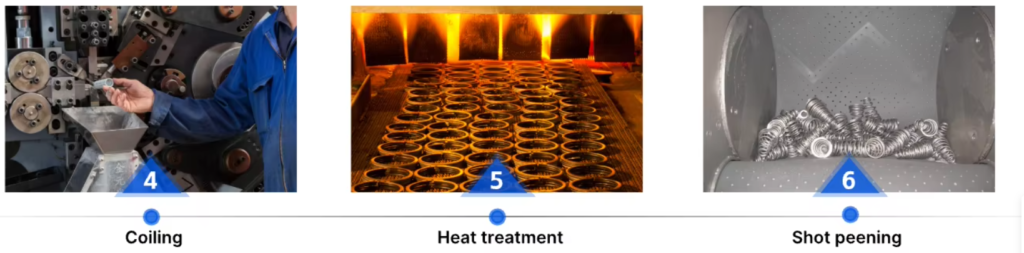
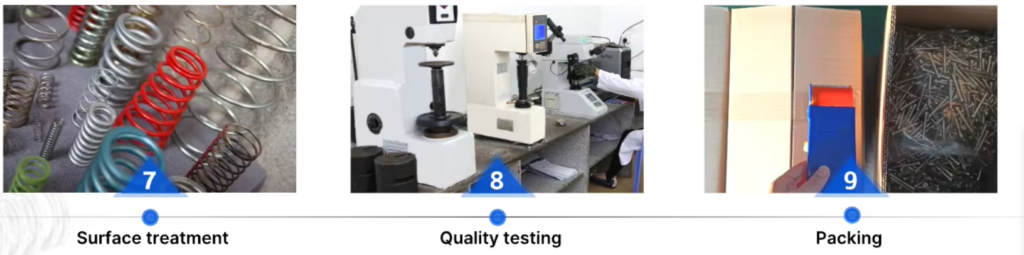
Custom Spring Process

Custom spring from China process
Custom springs from China process

How to Custom Spring From China Manufacturer Linsping ?

custom spring from China factory

The Ultimate Guide to Custom Springs

Springs are essential components in countless industries, from automotive and aerospace to medical devices and household appliances. Custom springs, בִּפְרָט, offer tailored solutions to meet specific requirements for performance, גוֹדֶל, חוֹמֶר, and application. Designing a custom spring requires careful consideration of numerous factors, from functionality to environmental conditions.


Types of Custom Springs

  1. קפיצי דחיסה

    • Designed to compress under load and return to their original shape when the load is removed.
    • Used in automotive suspension systems, שסתומים, and electronics.
  2. Tension Springs

    • Work by extending under load and returning to their original length when the load is removed.
    • Commonly used in garage doors, טרמפולינות, and industrial machinery.
  3. קפיצי פיתול

    • Operate by twisting around an axis to exert torque.
    • Ideal for hinges, Metsetgraps, and automotive tailgates.
  4. מעיינות שטוחים

    • Thin, flat components that flex under load.
    • Found in clips, מגעי סוללה, and seals.
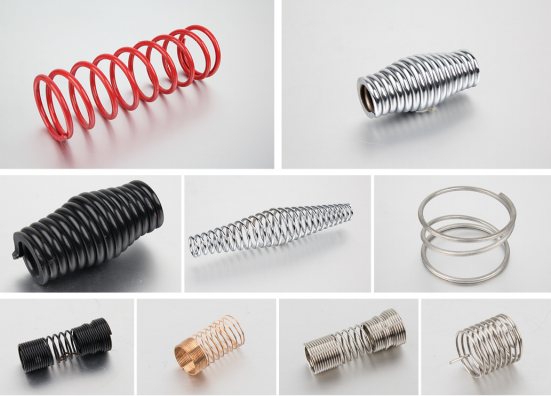
  5. Specialty Springs

    • Custom-shaped springs for unique applications.
    • Examples include conical springs, hourglass springs, and dual-action springs.

Materials for Custom Springs

Choosing the right material is critical for the performance and durability of a custom spring. Some common materials include:

  1. פלדת פחמן

    • Affordable and versatile.
    • Suitable for general applications.
    • Not ideal for environments with high corrosion or extreme temperatures.
  2. נירוסטה

    • Corrosion-resistant and durable.
    • Suitable for outdoor or marine applications.
    • More expensive than carbon steel.
  3. Alloy Steel

    • High strength and excellent fatigue resistance.
    • Often used in heavy-duty industrial applications.
  4. Phosphor Bronze and Beryllium Copper

    • Excellent electrical conductivity and corrosion resistance.
    • Commonly used in electrical and marine applications.
  5. Titanium

    • Lightweight and corrosion-resistant.
    • Ideal for aerospace and medical applications.
  6. Inconel and Other Superalloys

    • Designed for extreme heat and corrosive environments.
    • Commonly used in turbines and chemical processing.

Design Considerations for Custom Springs

When designing a custom spring, there are several factors to consider:

  1. סוג האביב: Choose the appropriate spring type (דְחִיסָה, tension, וכו') based on the application.

  2. דרישות עומס:

    • Determine the maximum and minimum load the spring must handle.
    • Consider the deflection needed to achieve the desired performance.
  3. Spring Dimensions:

    • Outer diameter, inner diameter, קוטר חוט, and free length.
    • Space constraints within the application.
  4. בחירת חומרים: Choose a material that meets the application’s environmental, כּוֹחַ, and durability requirements.

  5. Stress and Fatigue:

    • Evaluate the operating stress to ensure the spring can withstand repeated use.
    • Design for fatigue resistance if the spring will undergo cyclic loading.
  6. סביבת הפעלה:

    • Consider factors like temperature, moisture, and exposure to chemicals.
    • Use coatings or finishes for added protection if necessary.
  7. סוג סוף:

    • קפיצי דחיסה: Closed or open ends.
    • Tension springs: Loops or hooks.
  8. Manufacturing Constraints:

    • Work with a manufacturer to ensure the design can be produced cost-effectively.

Steps to Customizing a Spring

  1. Define Your Requirements:

    • Clearly outline the spring’s purpose, לִטעוֹן, and dimensions.
    • Specify environmental factors like temperature and exposure to corrosive substances.
  2. Choose a Material:

    • Select the material based on the required strength, גְמִישׁוּת, and environmental resistance.
  3. Work with LINSPRING:

    • Share your specifications, including CAD drawings or detailed diagrams if available.
  4. Prototype Development:

    • Request a prototype to test the design.
    • Make adjustments based on real-world performance.
  5. Final Production:

    • Approve the final design for production.

Tips for Working with a Custom Spring Manufacturer

  1. Provide Clear Specifications:

    • Include detailed measurements, load requirements, and material preferences.
  2. Request Samples:

    • Test prototypes before committing to large-scale production.
  3. Discuss Compliance:

    • Ensure the springs meet industry standards like ISO, ASTM, or DIN specifications.
  4. Leverage Expertise:

    • Take advantage of the manufacturer’s experience to optimize the design.
  5. Plan for Scalability:

    • Ensure the design can be mass-produced if needed.

Custom springs are a game-changer for applications that demand precision, ביצועים, ואמינות. By carefully considering factors like material, לְעַצֵב, וסביבת הפעלה, you can create a spring that perfectly suits your needs. Partnering with a trusted manufacturer LIKE LINSPRING ensures a seamless process from design to production, helping you achieve optimal results.
Ready To Custom Right Spring?

custom compression springs
compression spring factory

Still unsure which material fits your needs? Let’s discuss your specific application. Whether it’s automotive, תעופה וחלל, or precision engineering, we can help you select the perfect material tailored to your requirements.

Would you like a tailored recommendation or a deeper dive into one of the materials? Let’s make your project a success!

בקש הצעת מחיר מהירה

ניצור איתך קשר בתוך 1 יום עבודה.

פתוח צ'אט
שלום 👋
אנחנו יכולים לעזור לך?